
Five coping profiles, three materials, and one decision most Clarkston homeowners regret two years later — the one that quietly determines whether your next remodel costs $4,200 or $26,000. Coping looks like trim. It isn’t. It is the structural lid on the bond beam, the safety edge under bare feet, the weather seal against 8–14 freeze events per Clarkston winter, and the single most demo-locked detail on the whole pool.
Most Clarkston backyards we walk into were built between 1965 and 1985. The pools wear their original poured-in-place cantilevered concrete coping — a continuous skirt of broom-finished concrete that wraps the bond beam, locks into the deck, and looks like it was always meant to be one piece. That’s because it was. Cantilevered concrete coping is poured monolithically with the deck around forms strapped to the shell. You cannot lift it off. You cannot remodel under it without breaking it. And when the freeze-thaw cycles finally chew through the top inch of concrete and the joint between the deck and the shell, you don’t get to replace just the coping. You demo the whole deck.
That is the decision homeowners regret. Not the color. Not the profile. The choice between coping that is bonded to the deck for life and coping that can come off without taking the deck with it. Below is the honest material-by-material breakdown — what each profile looks like, what it costs installed in Clarkston, and which one keeps your remodel options open ten years from now.
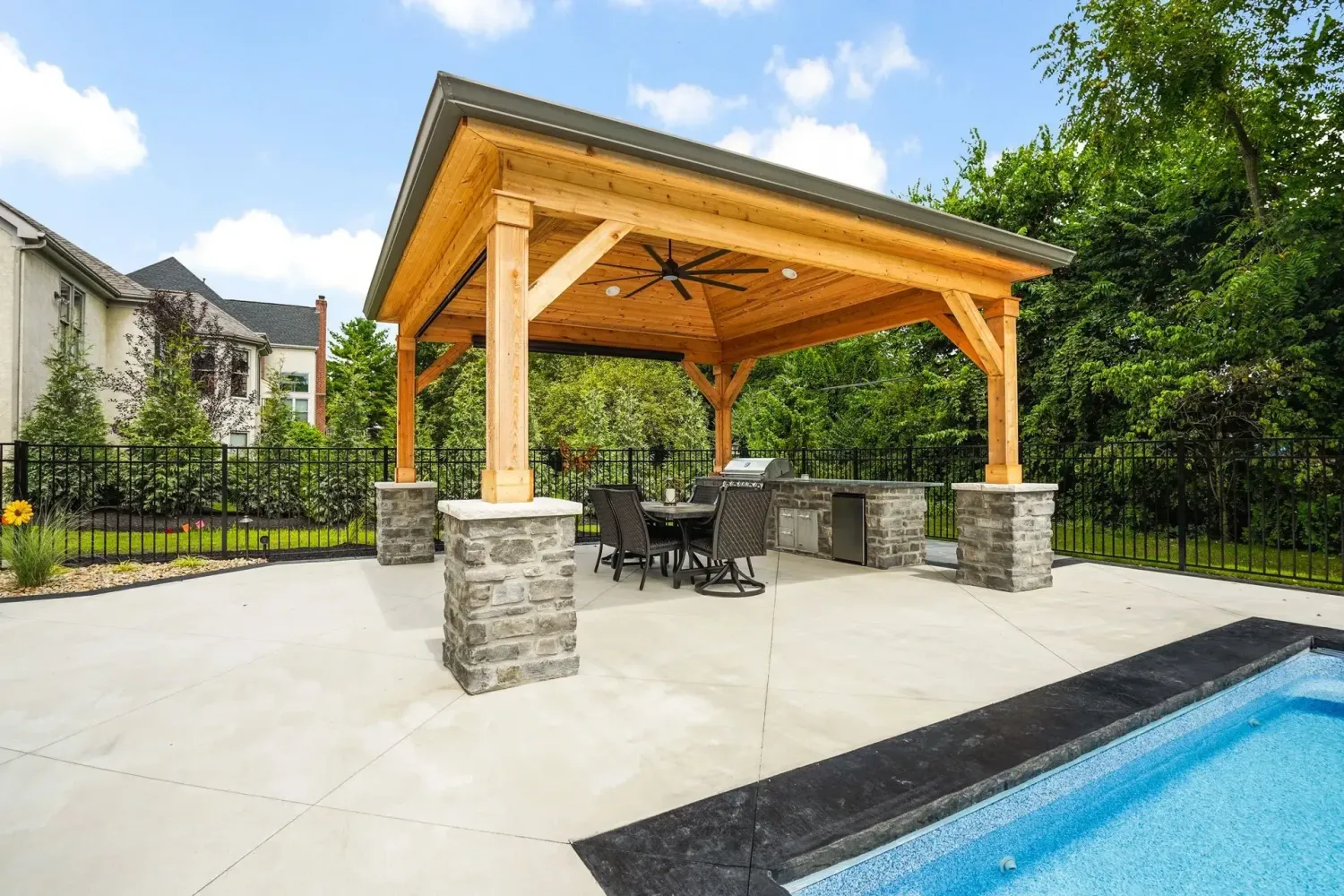
Bullnose — Cantilevered Concrete and Travertine
Bullnose is the rounded-edge profile you’ve stepped on at every public pool you’ve ever been to. The top corner of the coping is radiused — typically a 1″ or 1.25″ radius — and the front face drops vertically before tucking back under the deck. The rounded edge is what makes it the safest profile under bare feet, especially for kids. Sharp profiles cut. Bullnose doesn’t.
There are two ways to build a bullnose coping in Clarkston, and they could not be more different in how they age. The first is cantilevered concrete — poured monolithically with the deck, around bullnose-shaped forms, with the deck rebar running continuously through. Installed cost runs $14 per linear foot for a basic broom-finish deck, which is why nearly every 1970s and 1980s Clarkston pool has it. The problem isn’t the price. The problem is permanence. When the top inch spalls — and on a Clarkston pool with 8–14 freeze events per year hitting wet concrete, it always spalls eventually — you cannot pull the coping off and start fresh. The coping is the deck.
The second way is travertine bullnose — typically a 12″x24″ or 16″x24″ stone with a factory-milled bullnose edge, set in thinset over a poured concrete bond-beam cap. Installed cost runs $48 to $68 per linear foot in Clarkston depending on travertine grade. Tier 1 commercial-grade travertine like Walnut or generic Turkish Ivory comes in at the bottom of that range. Premium-Select grades like Sahara Gold from a stocking yard like Solid Stone Designs hit the top. The grade matters more than the color: DeKalb County’s 110-140 ppm CaCO₃ water hardness etches softer travertine grades noticeably faster than the harder Gwinnett-side water.
Travertine bullnose is the modern default for Clarkston remodels because it lifts off. The stones are bonded to a separate bond-beam cap — not to the deck. When you want to remodel the deck in fifteen years, the coping comes up with a putty knife and a rubber mallet. We’ve reused 80% of the original coping on Clarkston pools where the homeowner only wanted to swap pavers around it.
Bond-beam joint width: Specify a 3/8″ expansion joint between the back of the coping and the field tile or paver edge restraint. Backer rod and self-leveling polyurethane sealant. Not silicone. Not mortar. Silicone fails at Clarkston UV exposure in 4-6 years; mortar cracks the first freeze. Polyurethane runs about $1.10/lf in material and survives 12-15 years.
Square-Edge — The Modern Profile
Square-edge coping is the architectural profile favored by every modern pool you have seen on Instagram or in a design magazine since about 2015. The top corner is not radiused — it is a sharp 90° break, sometimes with a barely-perceptible 1/16″ chamfer to keep it from chipping. The face of the coping drops as a vertical plane. The visual effect is precise and contemporary. The functional tradeoff is real: a square-edged coping at waterline is harder on bare feet, and it is unforgiving when a kid catches a shoulder on the way out of the pool.
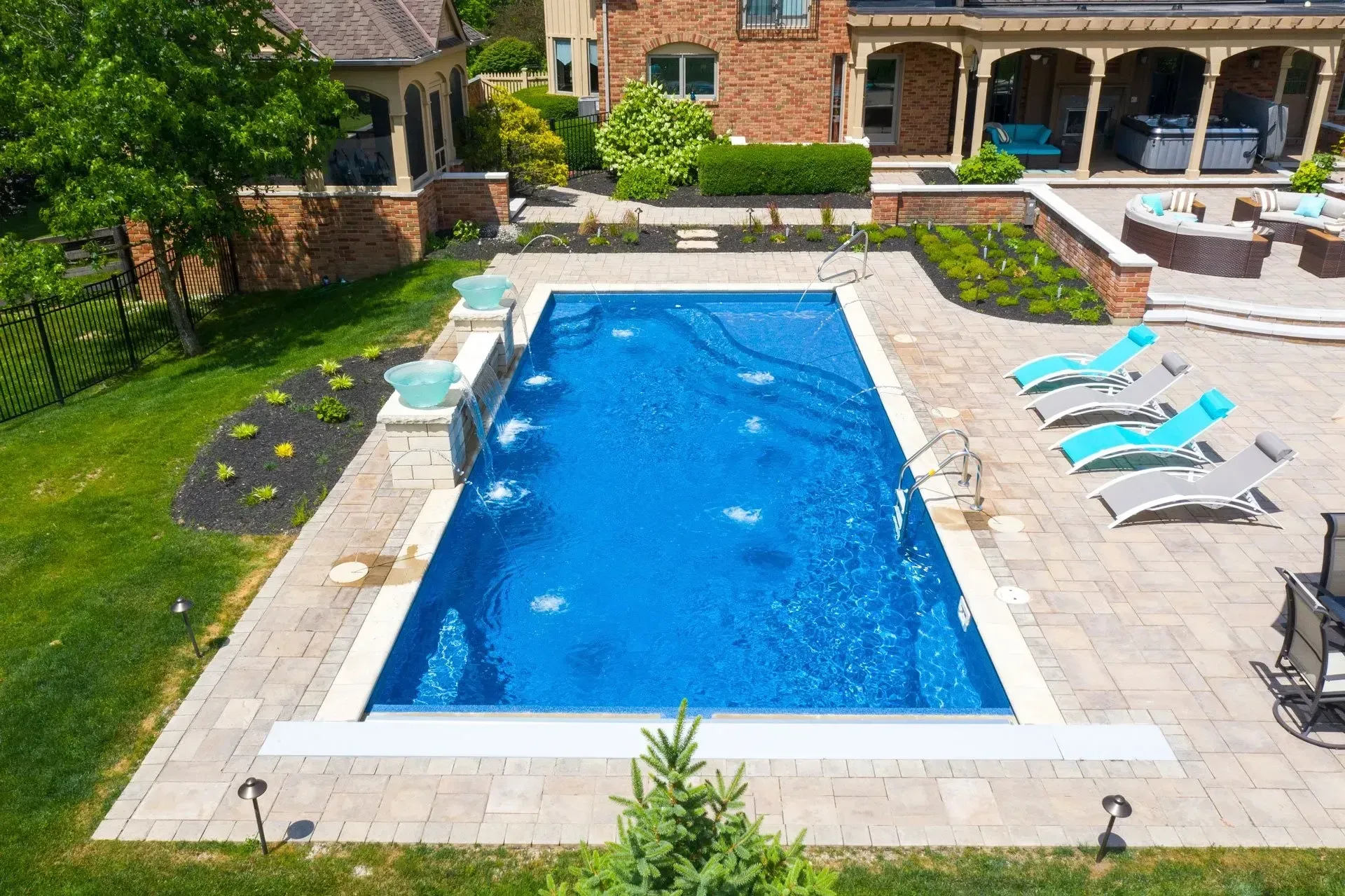
Square-edge coping in Clarkston is almost always built from one of three materials. Porcelain pavers in 24″x24″ or 24″x48″ format with a milled drop-edge run $58 to $82 per linear foot installed — the higher end for Italian or German imports with full-body color through the slab. Bluestone with a thermal-finish top and a sawn edge runs around $54/lf. And precast concrete coping in colors like Bluestar coping kits from the regional precast yards comes in at $32/lf, though we rarely spec it because the dye lots don’t always match across pallets.
Square-edge is also the profile that asks the most from your installer. The reveal — the amount the coping projects past the face of the bond beam — has to be perfect. We hold a 1.5″ reveal consistent within 1/16″ on every Clarkston square-edge job. Anything more and the coping looks heavy. Anything less and it looks like the installer forgot a row. The reveal also drives shadow line, which is most of why square-edge coping looks expensive when it’s done right.
One Clarkston-specific consideration: square-edge profiles concentrate freeze-thaw damage at the corner. On bullnose, water sheets off a curve. On square-edge, water sits in the 90° break, freezes, and starts micro-cracking the corner. Premium porcelain handles this fine. Cheaper precast does not. If you’re building a square-edge coping in Clarkston and the freeze cycle is going to do its thing 8-14 times a year, do not save money on the material — save it somewhere else in the project.
Drop-Face — Coping Beam Hidden
Drop-face coping is the profile most Clarkston homeowners have never heard of, but it is the one that solves a problem nearly every Clarkston pool has. The profile drops the face of the coping below the water line — typically 2″ to 4″ below — so when you stand on the deck and look at the pool, you don’t see a beam at all. The water appears to lap directly against the underside of the deck. It is the closest you can get to an infinity-edge look on a pool that isn’t actually infinity-edge.
Drop-face is built two ways in Clarkston. The traditional way is travertine or bluestone with the front edge dropped past the waterline and a sealed back face. Installed cost runs $72 to $94 per linear foot. The modern way uses a precast concrete drop-face element — Solid Stone Designs and a handful of regional fabricators carry these — set as one piece per 24″ or 36″ run. Installed cost is closer to $58/lf because the labor drops.
The reason drop-face matters in Clarkston specifically is the housing stock. Most pools here are 35-50 years old and they sit relatively low in the yard — the deck is at or just below grade, and the bond beam is exposed. Cantilevered concrete coping wears its age across every linear foot of that exposed beam. When you remodel a 1975 pool in Lake Capri or Idlewood and want it to look like 2026, dropping the coping face buys you the single biggest visual upgrade you can make without re-engineering the shell.
The catch with drop-face is the bond beam preparation. You cannot drop a coping below waterline on a bond beam that wasn’t built for it. The back face of the beam has to be plumb, the top has to be true to within 1/8″ across the whole perimeter, and any pre-existing tile or grout has to come off clean. On a Clarkston pool with original 1980s tile, that prep work alone runs $1,800 to $3,400 before the coping ever hits the bond. Most of the drop-face quotes that come in cheap are skipping the prep — and the homeowner finds out at the first cold snap.
Remodel-Ready Cap System — Removable Without Deck Demo
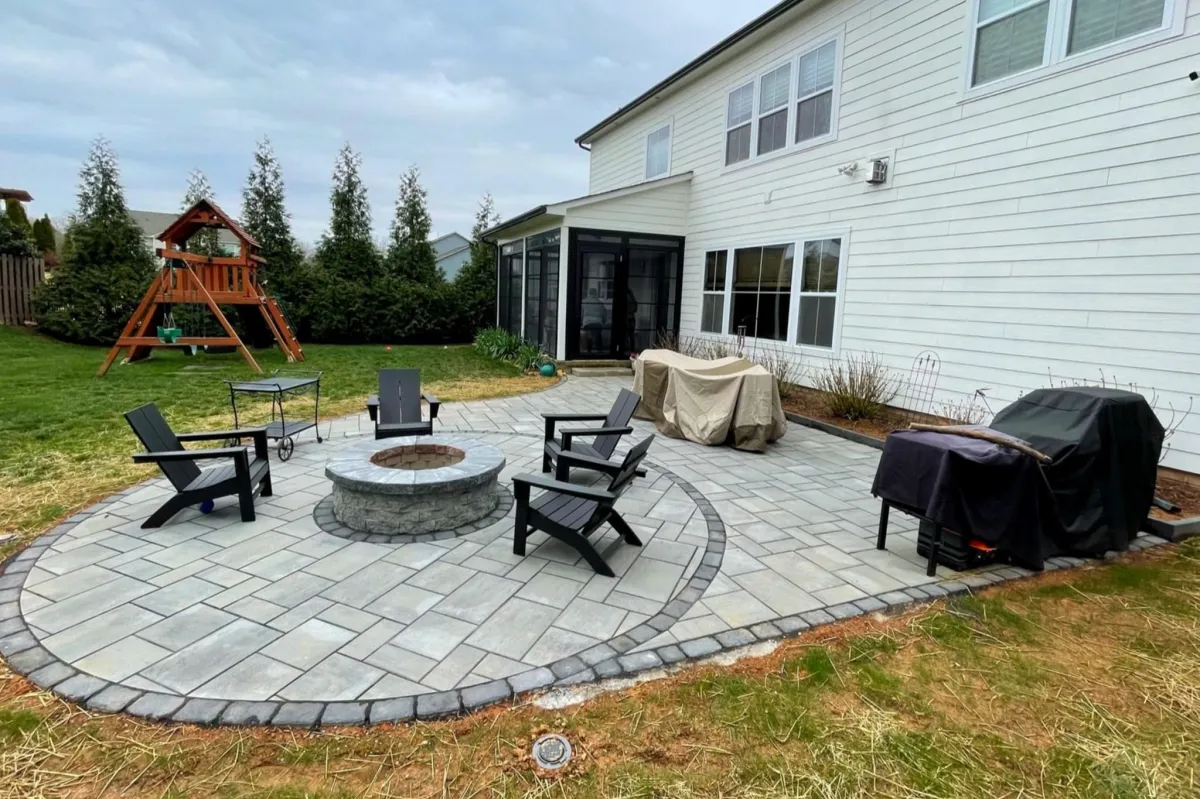
This is the signature profile we now recommend on roughly 60% of Clarkston remodels, and it does not exist on most contractor menus because most contractors don’t carry it. A remodel-ready cap system is a coping profile engineered specifically to come off without demolishing the deck around it. The coping sits on a continuous mortar bed over a poured concrete bond-beam cap. The deck terminates against the coping with a 3/8″ expansion joint and a polyurethane sealant — not a mortared joint. The coping is mechanically isolated from the deck. When it’s time to swap it out, you cut the sealant, lift the coping, and the deck stays put.
The premium for a remodel-ready cap system in Clarkston is $28 per linear foot installed versus $14 per linear foot for traditional mortared cantilevered concrete. On a 90-foot perimeter pool — typical for a 1970s Clarkston build — that’s $2,520 versus $1,260. About $1,260 more up front. The math gets clear when you look at the back end: a future remodel of the coping alone runs $4,800–$6,400 on a remodel-ready system, versus $18,000–$26,000 on a system where the deck has to come up with the coping. The break-even isn’t close.
Remodel-ready spec callout: Concrete bond-beam cap poured 24″ deep set into the existing bond beam, 3,500 psi mix, #4 rebar tied to existing dowels. Coping bedded in modified thinset over the cap. 12″ overhang max for cantilever-style appearance without a separate deck pour. Polyurethane expansion joint at 3/8″ width between coping back and deck face. No mortared deck-to-coping bond anywhere on the perimeter.
The materials that pair best with the remodel-ready system are travertine bullnose (Tier 1 grades in Walnut, Ivory, or Sahara Gold), porcelain square-edge, or precast Bluestar coping kits in straight-run lengths. The system works with any of them because the engineering is in the cap and the joint — not in the coping itself.
One Clarkston-specific note on the bond-beam cap: decomposed granite at 4-8 ft excavation depth on lots near the Stone Mountain pluton can make the bond-beam grade matchup tricky. The original 1970s beam was poured against soil that has since shifted as the granite weathered further. We’ve had to mill down high spots and shim low spots to get the cap true. Budget an extra $400-$800 for cap preparation on older Lake Capri and Idlewood lots.
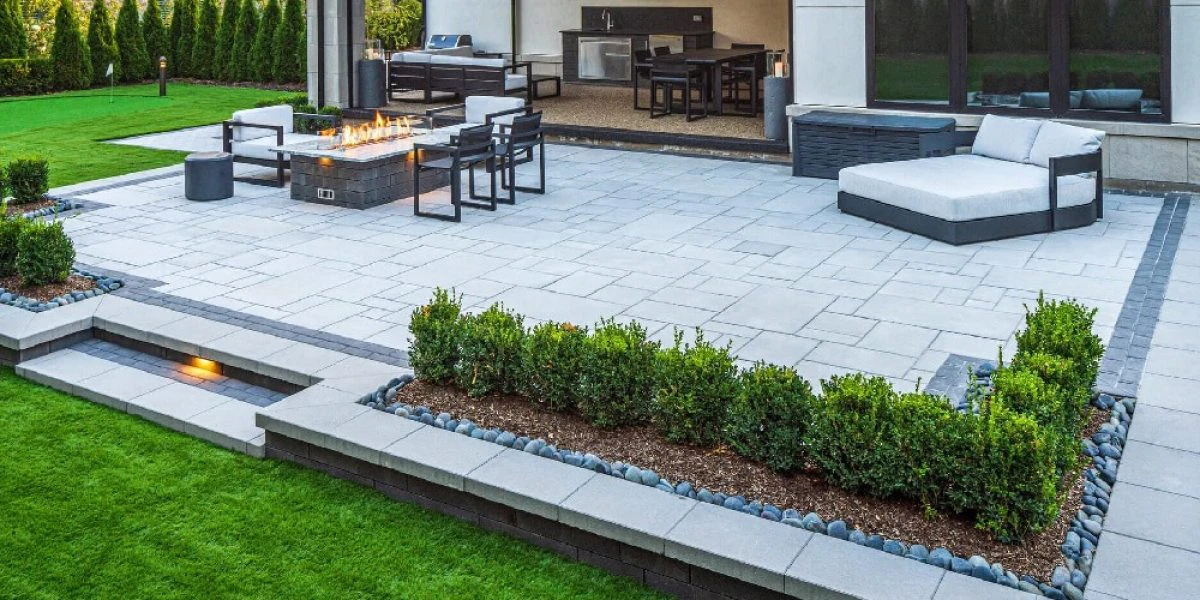
How to Choose for a Clarkston Pool
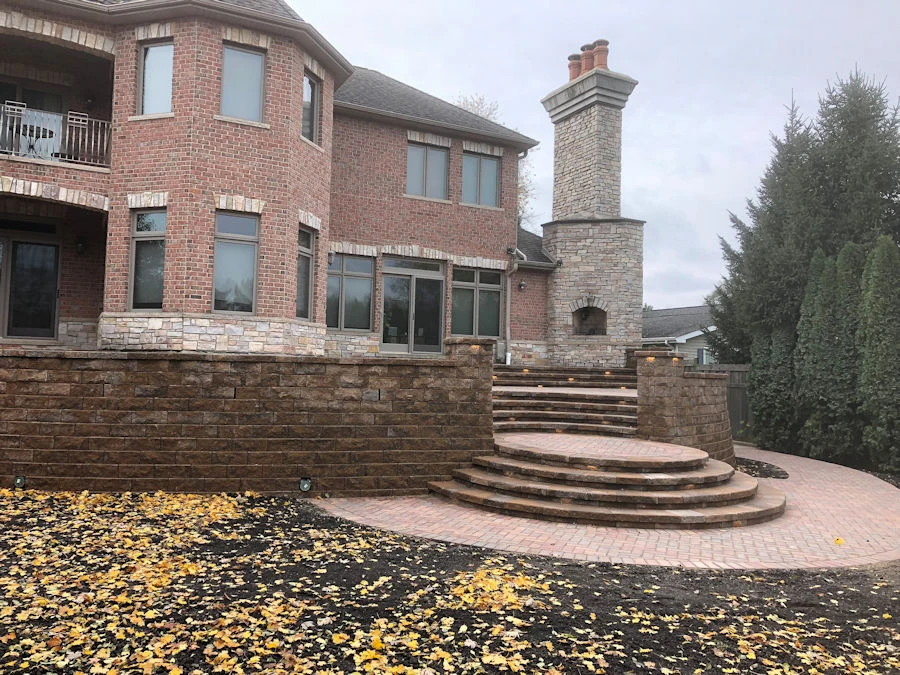
Five profiles, three materials, one decision matrix. Here’s how we walk Clarkston homeowners through it during the on-site evaluation, and the four questions that drive almost every coping decision on a Clarkston pool.
The first question is how long you plan to stay in the house. Coping is a 15-25 year decision in terms of physical lifespan, but the real planning horizon is when you want to remodel the pool again. If you’re moving in three years, the coping outlives your ownership and you optimize for resale appearance — clean profile, neutral travertine grade, no exotic materials a future buyer’s inspector won’t recognize. If you’re staying ten or more years, you optimize for remodel flexibility, which is the case for the remodel-ready cap system.
The second question is who walks on the pool deck barefoot. Bullnose for households with kids under twelve. Square-edge is acceptable for adult-only households or for raised-spa coping where bare feet rarely catch the corner. Drop-face works for both because the only walked-on surface is the deck itself; the dropped face is a visual element, not a footing one.
The third question is what the bond beam looks like underneath. We core-test the top of the bond beam on every Clarkston remodel evaluation. If the concrete is sound, any of the five profiles is in play. If we find delamination, voids, or rebar exposed at the top inch, the coping decision narrows fast — you need a fresh bond-beam cap regardless of which profile sits on it. That’s not a tragedy; it’s just budget you didn’t know you’d be spending.
The fourth question is what the rest of the deck is doing. Coping doesn’t live in isolation. If the existing deck is staying, we match coping color and texture to it. If the deck is also being remodeled, we sequence the coping cap pour before the deck pour so the expansion joint reads as a deliberate line. Coordinating those two pours is where most quick-bid contractors drop the ball — you’ll see Clarkston remodels with great coping and a deck that fights it visually, because each was specified in isolation.
If your pool is original 1970s or 1980s construction and you plan to stay in the house another 10+ years, you are almost certainly looking at a remodel-ready cap system with travertine bullnose. The cap pours new structure on top of the aging bond beam. The bullnose handles the safety concern. The travertine — Tier 1 grade is fine, Premium-Select if budget allows — gives you the modern look without locking you into another monolithic deck pour. Total installed cost on a 90-ft perimeter Clarkston pool runs $5,400 to $7,200, depending on travertine grade.
If your pool is a 2000s-era build with a sound bond beam and you want a contemporary look, square-edge porcelain over a remodel-ready cap is the sharpest answer. Imported full-body porcelain in 24″x48″ format with a milled drop-edge. Run the cap, set the porcelain on thinset, hold the 1.5″ reveal tight. Total installed cost on the same perimeter runs $8,400 to $11,400. More money, more design payoff, same future flexibility.
If you’re building new — or fully rebuilding the shell — and you want the most contemporary edge possible, drop-face coping in travertine or precast is the answer. New construction is where drop-face really earns its keep because the bond beam is being engineered for it from day one. You won’t be retrofitting a 1970s beam to do a job it wasn’t designed for.
If you’re on a tight budget and only need the coping to survive another 8-10 years before a planned full remodel, cantilevered concrete with a polished broom finish is still the cheapest answer at $14/lf. It will lock you into demolishing the deck when you remodel — but if you already know that remodel is coming, you’re not paying for flexibility you won’t use.
The honest conversation on most Clarkston pools is the first scenario. The housing stock is what it is — 35-50 year old pools sitting on 1960s through 1980s shells, original copper plumbing, original cantilevered coping that’s seen its share of freeze cycles. The remodel-ready cap system was designed for exactly this market. It’s not the cheapest profile to install. It is the cheapest profile to live with.
Whatever you choose, the spec sheet matters more than the brochure photo. Get the bond-beam cap depth in writing. Get the expansion joint width and sealant type in writing. Get the reveal dimension in writing. Get the coping material grade and supplier in writing. A coping installation is a 15-25 year decision; treat it like one.
Pool deck and coping design across 20+ cities within 30 miles of Winder, GA
We spec coping the way it lasts in Clarkston — bond-beam cap depth in writing, expansion joint width in writing, reveal dimension in writing. So the next remodel takes a week, not a month.