
Fresh plaster, new tile, upgraded equipment, and a modernized deck — transforming 10–20 year old pools without tearing out the shell.
Most pool remodels in Metro Atlanta get split across three or four different subcontractors — a plaster crew, a tile guy, an equipment tech, a deck sub — each with a separate schedule and a separate invoice. That’s exactly why the average remodel finishes three months past the promised date, and why the crew that started the job is usually not the one that finishes it.
Primetime handles the full remodel sequence in-house: drain and chip-out, surface prep, new plaster or Pebble Tec, tile and coping swap, equipment upgrade, deck renovation, and chemical re-start. One continuous timeline, one written scope, one phone number for every question along the way.
The shell under your pool is almost always fine. Gunite lasts 40+ years. What ages out is everything on top of it — the plaster, the coping, the waterline tile, the equipment pad, the deck. Remodeling replaces the parts that actually age out, without tearing out the structure that doesn’t need to go.
If your plaster is stained or rough to the foot, your waterline tile looks dated, your power bill jumps every summer the pump kicks on, or your automation box is a mechanical clock with a faded dial — those are remodel triggers, not rebuild triggers. Discoloration, exposed aggregate, cracked coping, dead LED lights, and halogen bulbs that take four minutes to warm up all point to the same conversation: a staged refresh, not a demolition.
The other thing most homeowners don’t know: doing all of it at once is almost always cheaper than piecemeal. You pay for one drain-down, one chemical startup, one crew mobilization, and one warranty period instead of three or four. A plaster-only job in year eight, a tile job in year ten, and a deck refresh in year twelve costs roughly 30–40% more than bundling it into a single remodel — and leaves you looking at a half-updated pool for half a decade.
“Most pool companies quoting you a rebuild are solving the wrong problem. A 20-year-old shell doesn’t need replacing — it needs resurfacing.”
Primetime Pools — Winder, GAPlaster has a 10–15 year life. Pebble Tec runs 15–25. If your surface is stained, rough, or showing aggregate through the finish, it’s not cosmetic — it’s telling you the bond is breaking down.
A proper refinish starts with a full chip-out — not a skim-coat over the old surface. The existing plaster gets mechanically removed down to the gunite shell, then the shell is pressure-washed, acid-etched, and inspected for hairline cracks or delamination before any new material goes on. Skipping chip-out and troweling new plaster over old is the #1 reason we see remodeled pools peeling within 18 months.
Once the shell is prepped, we apply a bond coat and then shoot the new finish — classic white plaster, quartz-aggregate, or Pebble Tec / Pebble Sheen in the color you choose. Pebble finishes last longer, hide calcium and algae staining far better, and give the pool water that depth-of-color look most homeowners want. After cure, we do a full acid startup over 28 days to lock the surface in properly.
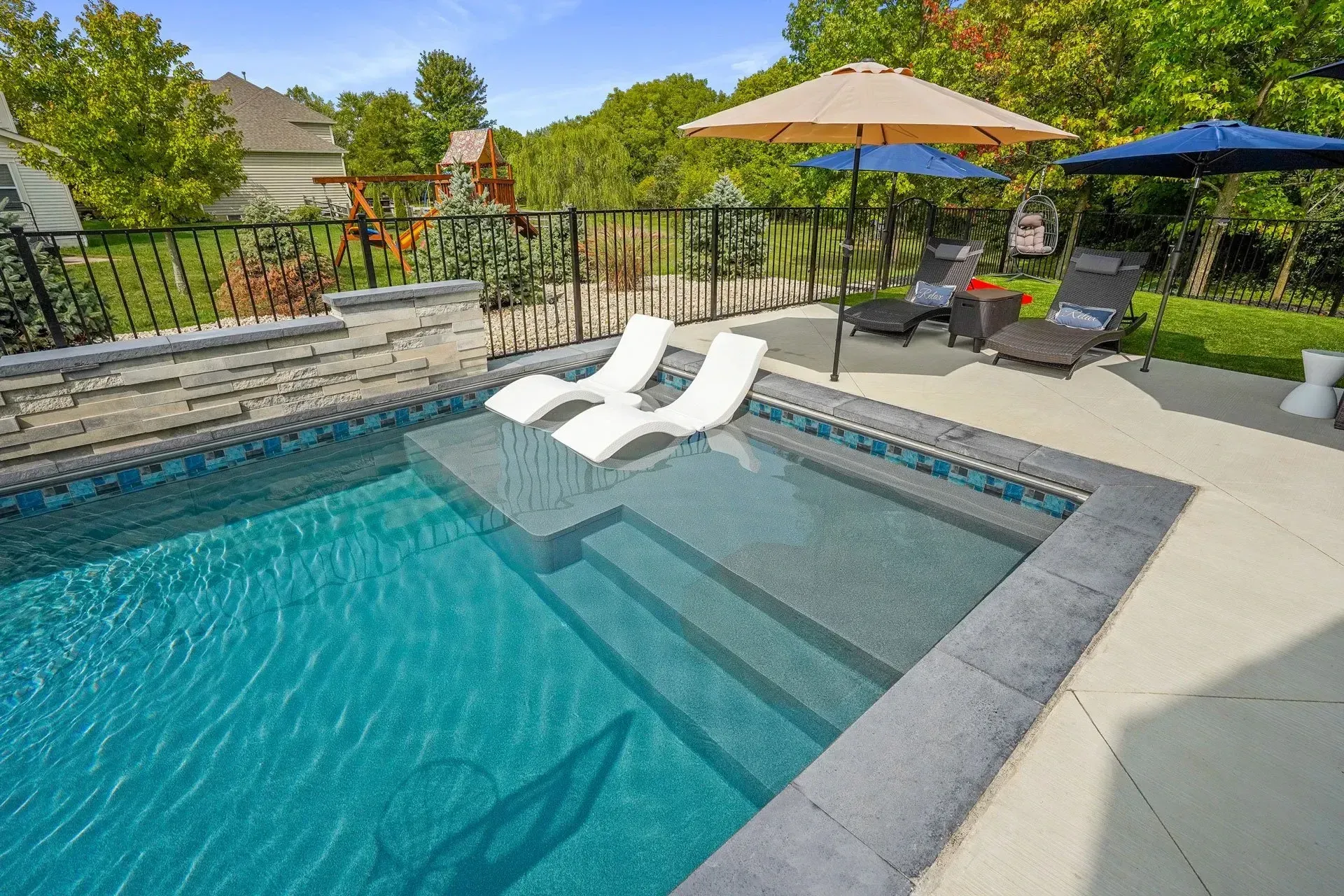
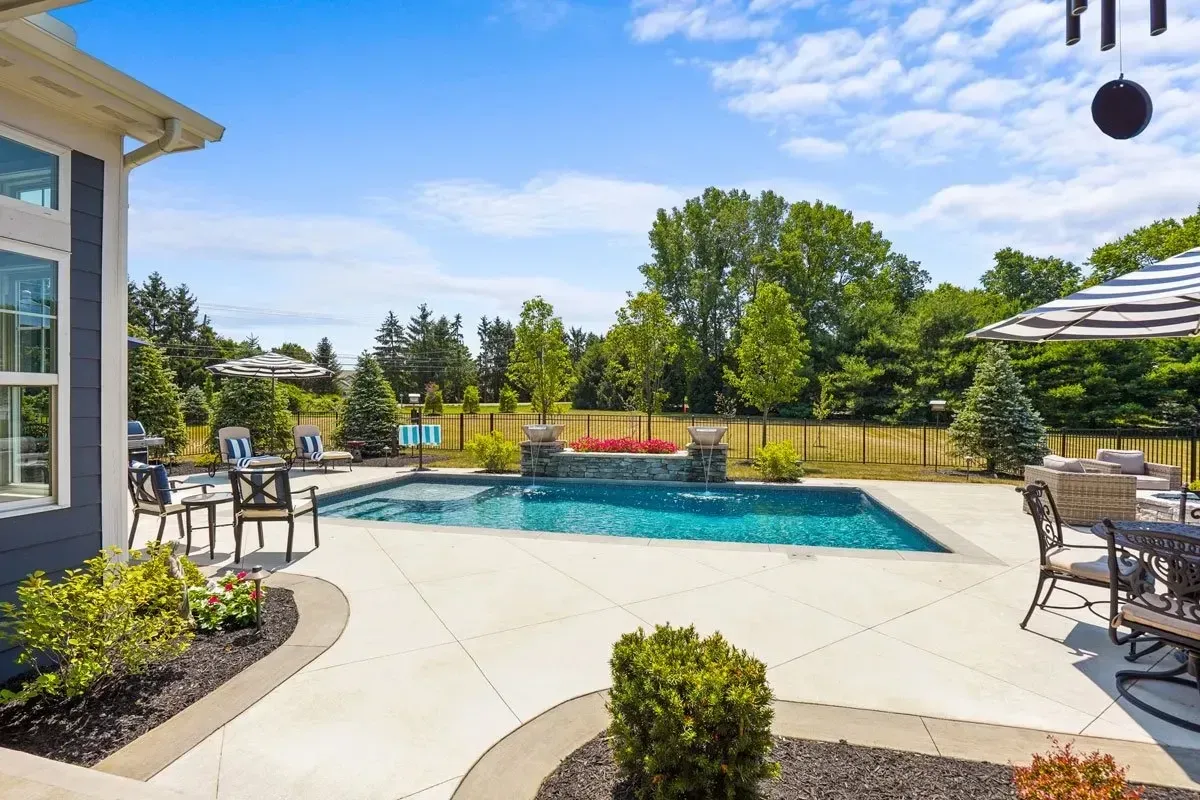
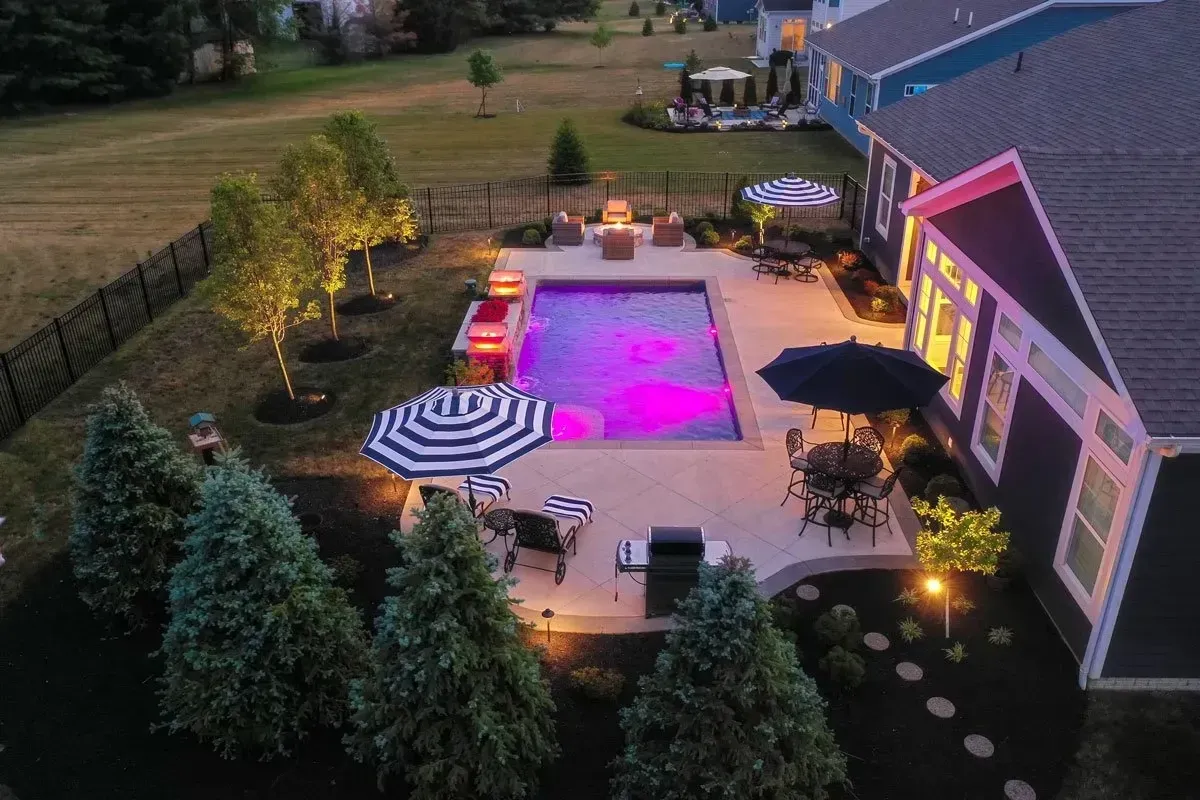
Waterline tile and coping are the first things a guest sees from the deck. Nothing else gives away a pool’s age faster than the 6-inch band at the water surface and the stone wrapping the edge.
We take the existing tile down clean — chiseled off the gunite, grout line raked, substrate re-prepped for the new install. The replacement tile gets hand-set with polymer-modified mortar and grouted with a contrast grout that pops the tile profile instead of swallowing it. Glass mosaic, natural stone, and porcelain profiles are all on the table — you’ll see physical samples held up against your current coping before you pick.
Coping is the harder job and where most remodel crews rush. We dry-fit the full perimeter before anything is mortared, confirm every corner cut, and wet-saw mitered edges in-place. Travertine, limestone, bluestone, poured concrete cap, or manufactured stone — each has a different edge profile and a different expansion-joint approach. Getting the deck-to-coping joint right is what stops the coping from lifting in year three.
If your pump is single-speed, your lights are halogen, and your automation is a mechanical timer on the wall — you’re paying roughly 4x the operating cost of a modern equipment pad, every month, for no benefit.
We retrofit the full equipment pad: Pentair or Jandy variable-speed pump, cartridge or DE filter sized for real water volume, color-change LED main lights replacing the old halogens, smart automation (Pentair ScreenLogic or Jandy iAquaLink), and salt-chlorine generator conversion if you want to get off the liquid chlorine jug. Plumbing gets re-checked, worn valves get replaced, and the pad gets re-organized so it’s serviceable instead of a maze of PVC.
The single biggest line-item win on any remodel is the pump. A variable-speed pump runs at the lowest RPM that still turns over the water — most of the day it’s drawing 60–75% less power than a single-speed, and running at a fraction of the noise. LED lights pull about 10% of the power of the halogens they replace, and they color-change from your phone. Automation means you can check the pool’s chemistry and turn on the heater from the airport on your way home.
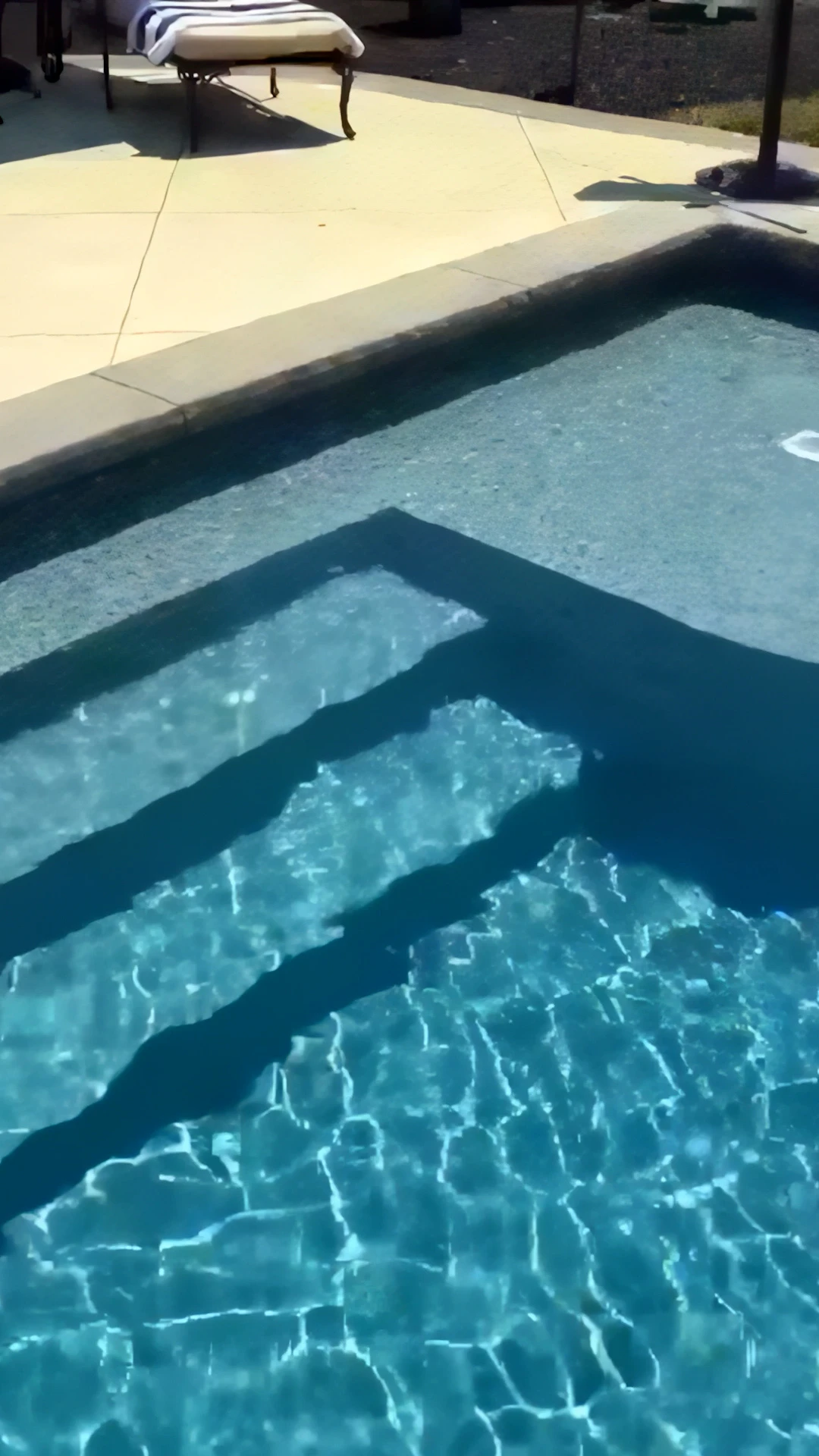
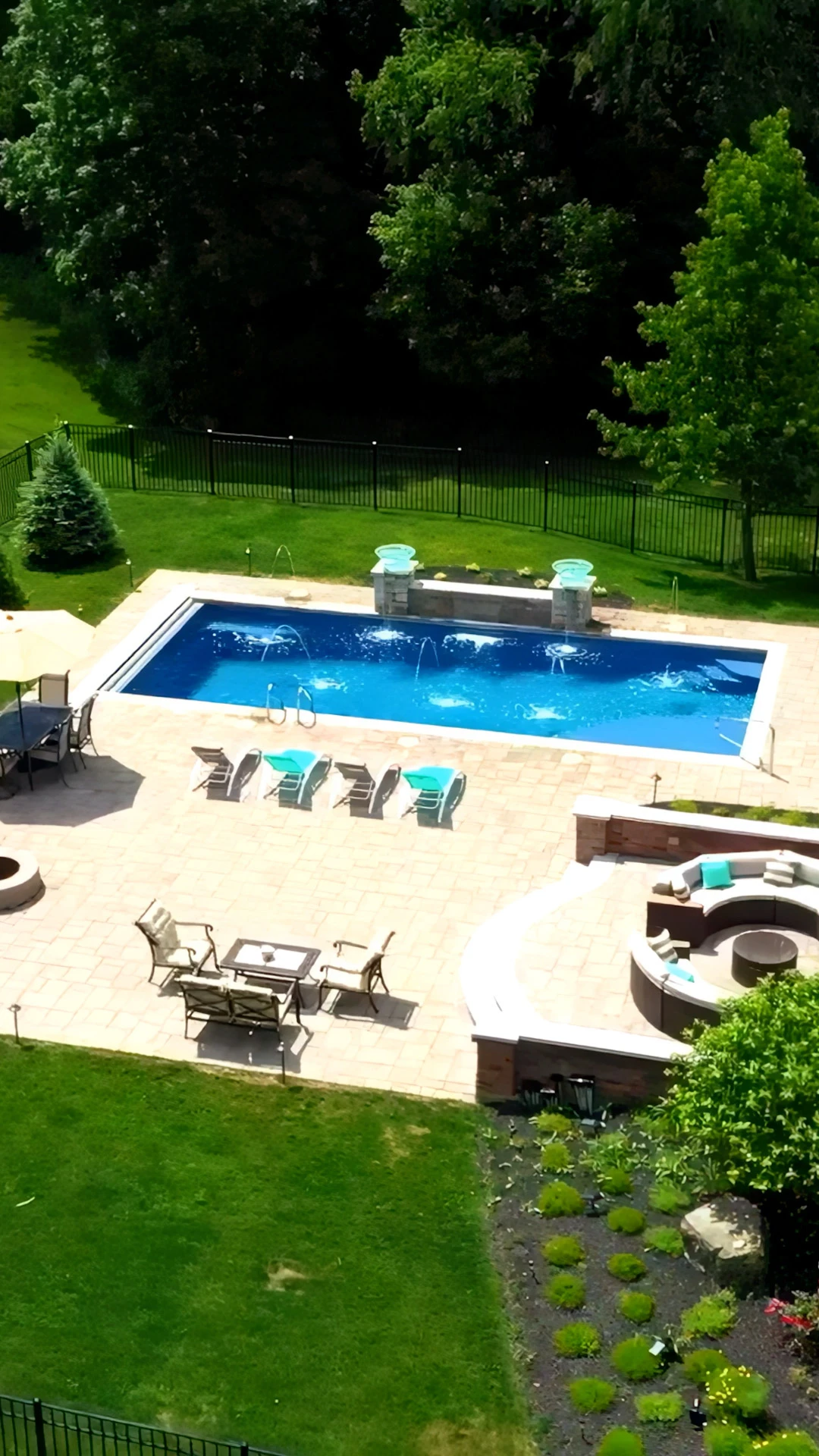
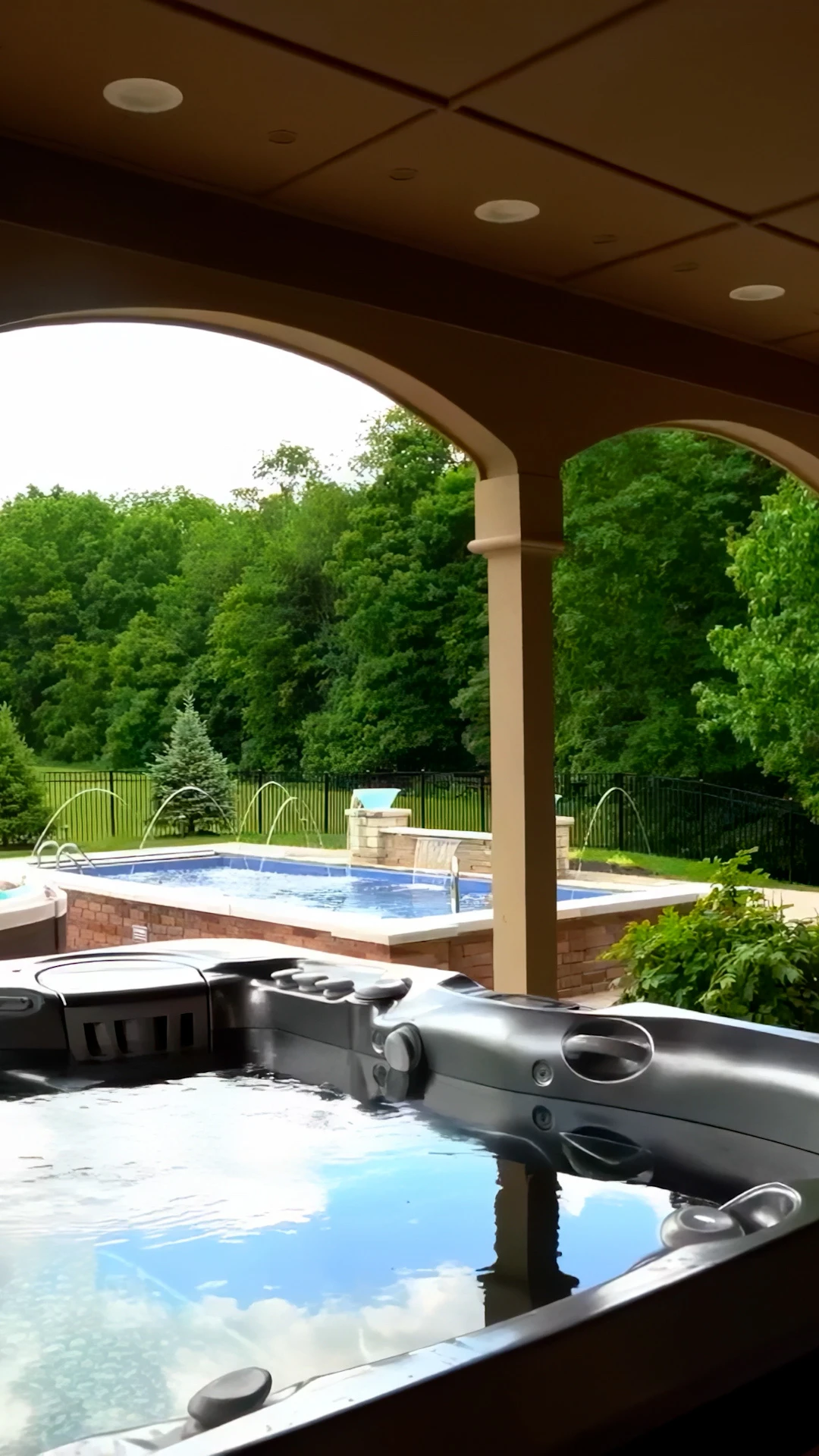
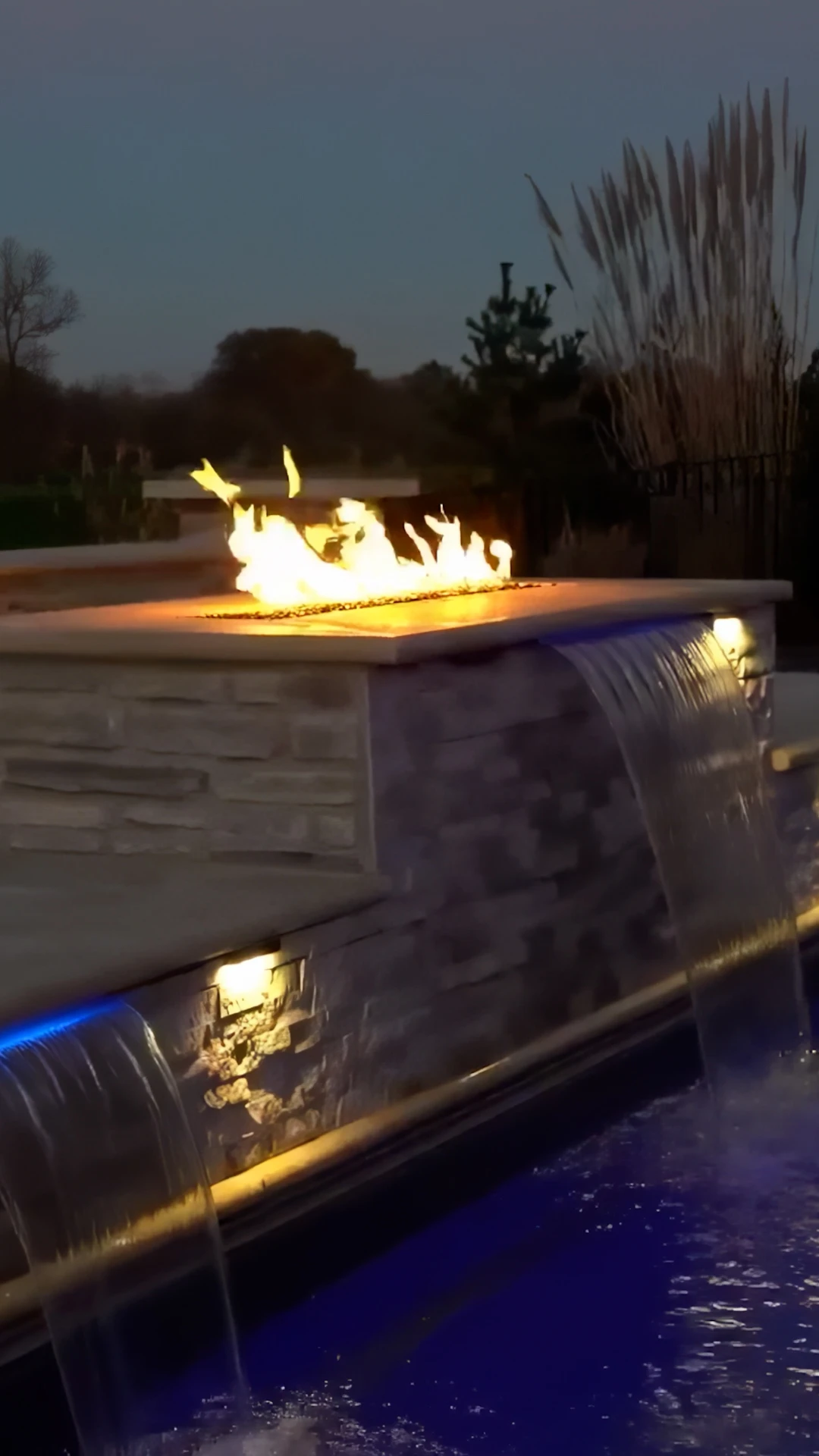
Cracked concrete, stained broom finish, coping lifting away from the deck, puddles after a rain — the deck ages twice as fast as the pool it surrounds, and a tired deck undersells a fresh pool every time.
Depending on the condition, we’ll either resurface the existing deck with a textured overlay (Kool Deck, spray-knockdown, or a polymer-modified micro-topping) or tear it out and rebuild in pavers, travertine, flagstone, or new broom-finish concrete. A resurface is the right call when the substrate is sound and it’s cosmetic wear; a tear-out is the right call when you’ve got structural cracking, heaving, or drainage issues that resurfacing would just hide.
The seam that matters most is the coping-to-deck expansion joint. That joint has to flex — Georgia clay moves with every wet season — and when it fails you get water getting behind the coping, the stone lifting, and cracks radiating back into the deck. We rebuild that joint on every remodel with a backer rod and self-leveling sealant that’ll hold for 8–12 years. Drainage gets corrected at the same time: regrading toward deck drains, adding channel drains where needed, and making sure water gets off the deck instead of sitting on it.
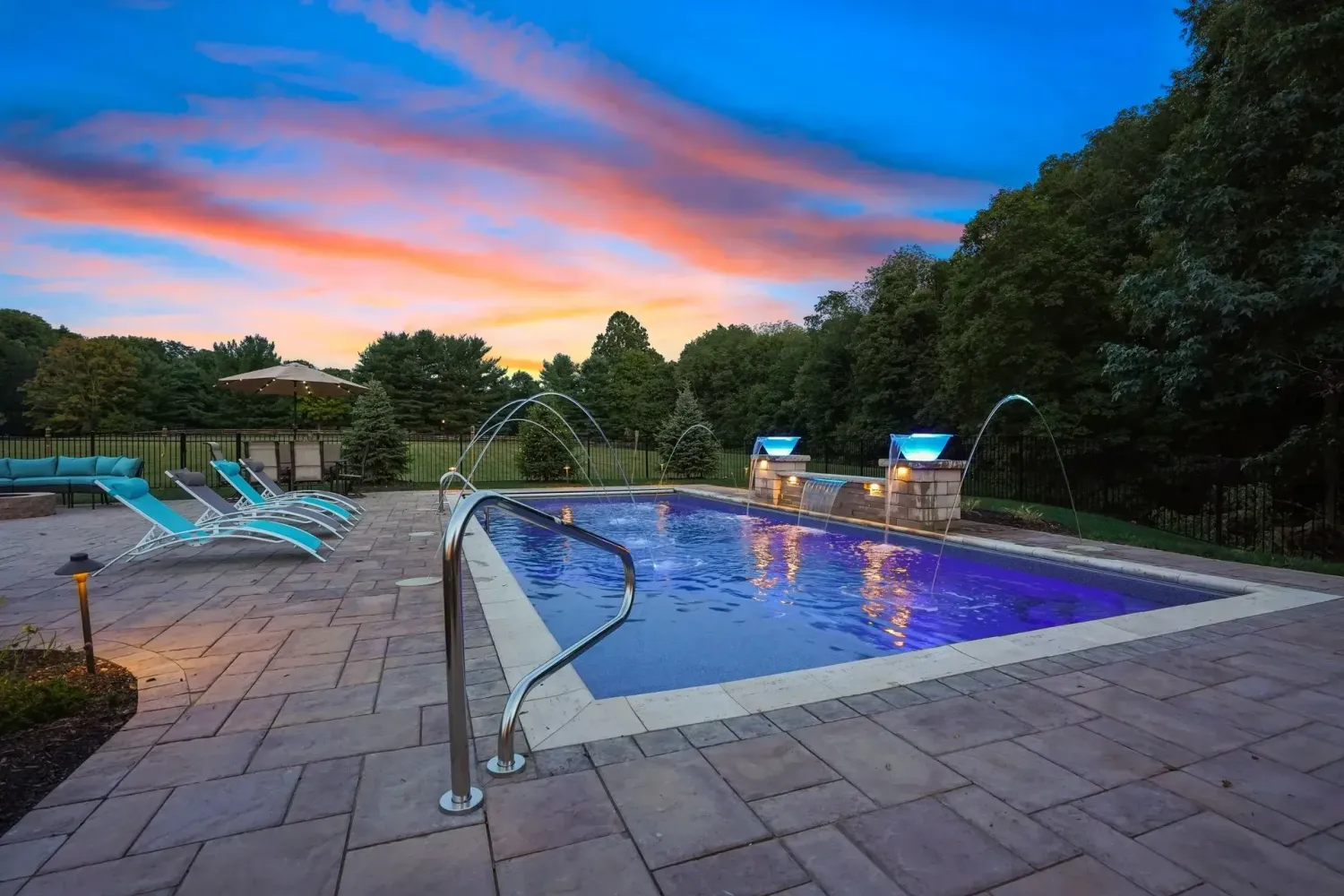
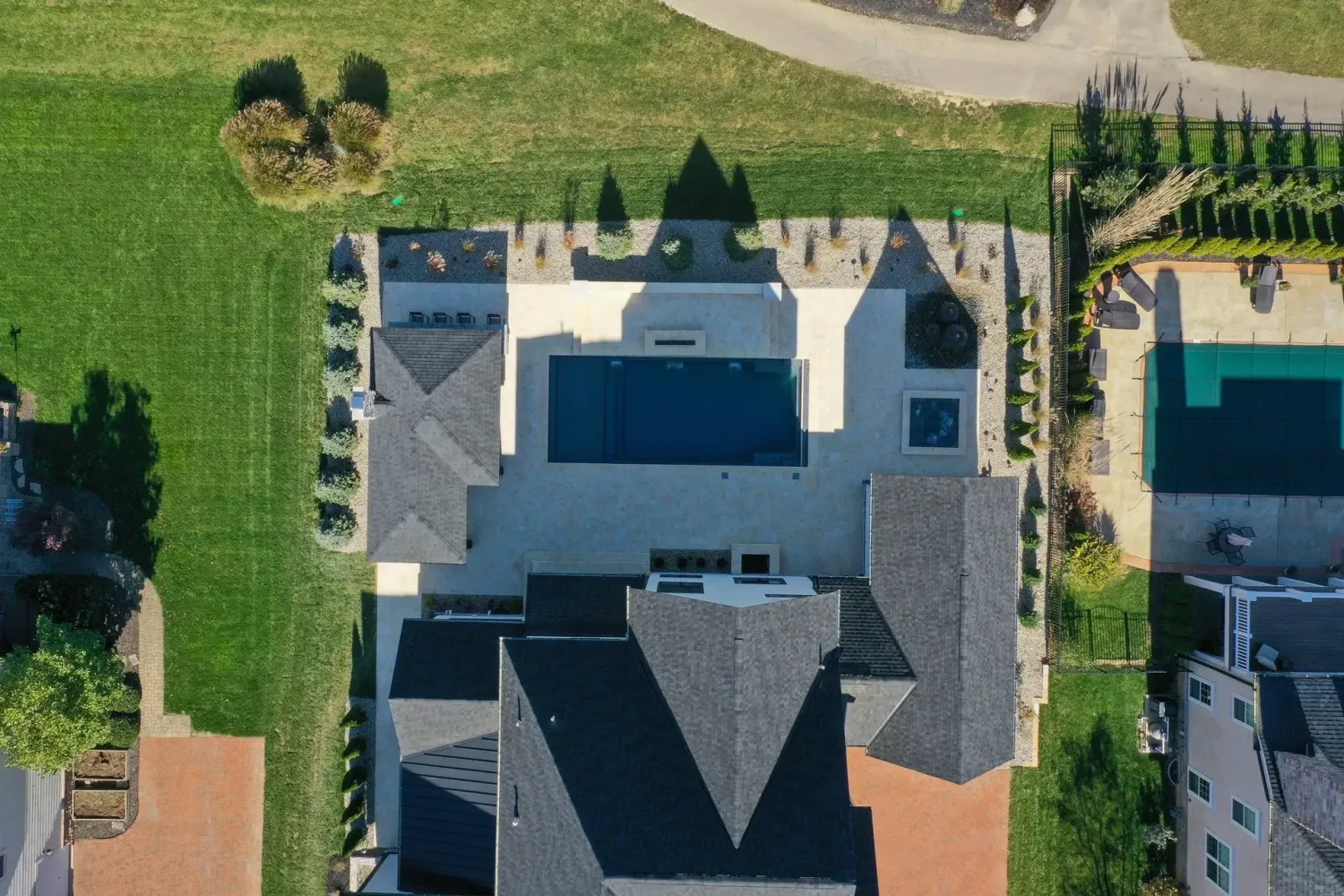
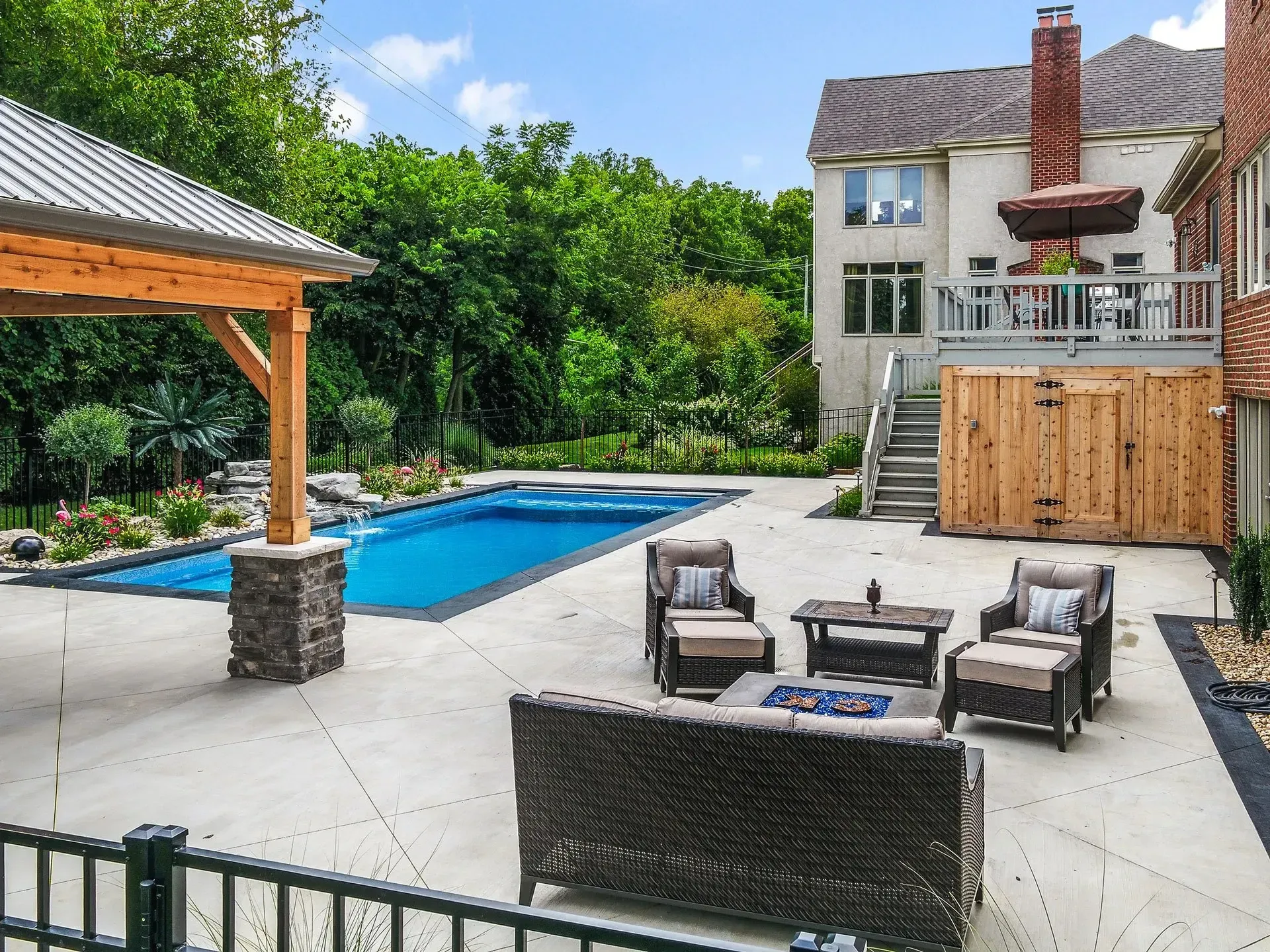
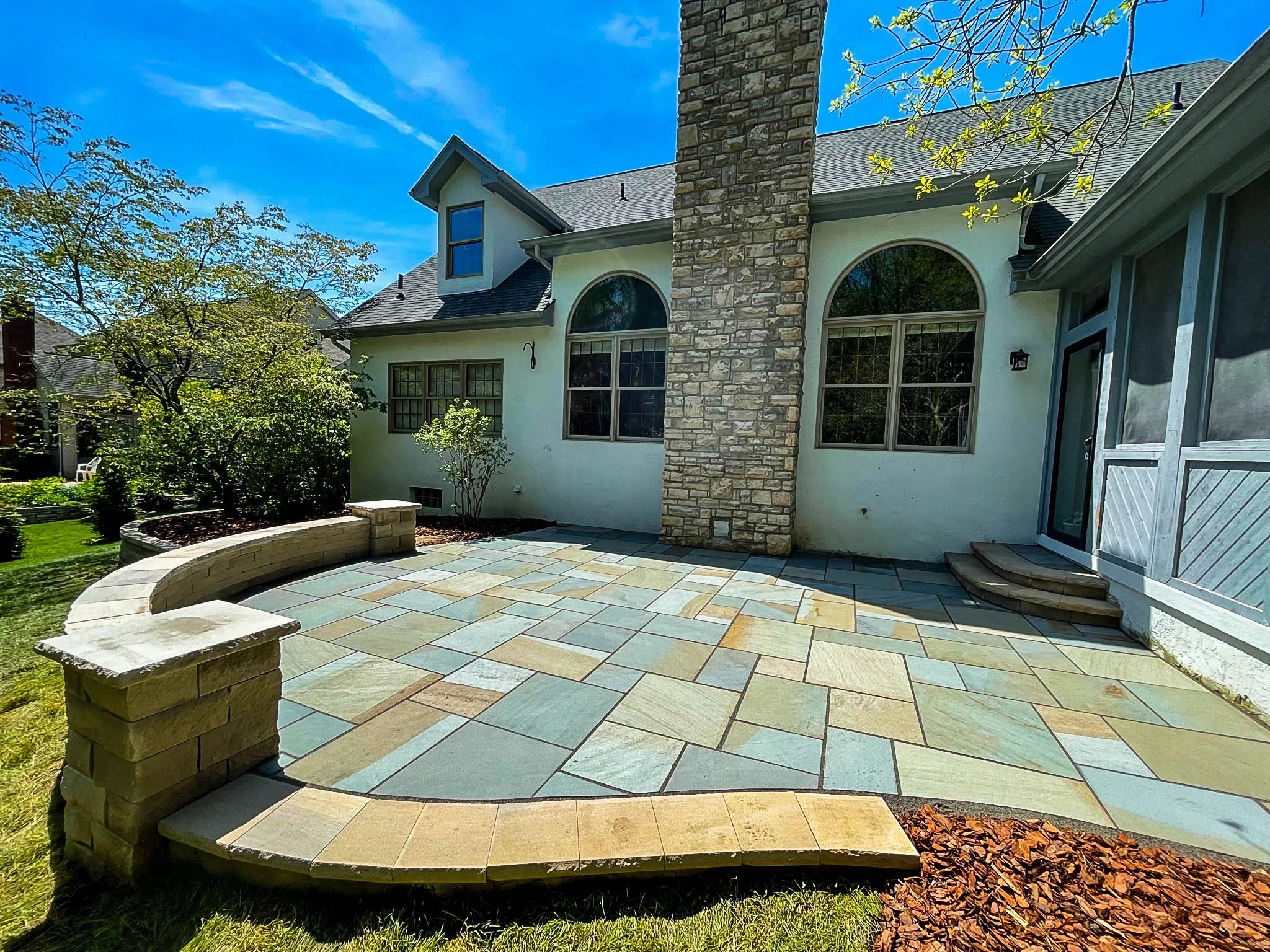
Most remodels stretch three months past the promised completion date because the work is parceled out to four different subs, each showing up when their schedule allows. Primetime runs the full sequence with one crew — drain, prep, surface, tile, coping, equipment, deck, startup — and your pool is down for two to three weeks, not two to three months. That’s the single biggest difference between working with us and working with a general contractor who brokers the job.
Before we start, you get a written scope line-by-line — every material, every tile SKU, every coping stone, every piece of equipment spelled out. Change orders only happen when you request them, not when the contractor realizes he underquoted. The number we hand you on page one is the number you pay on day 21.
And the crew that drains your pool on Monday morning is the same crew still on-site the day we hand you the keys. Same faces, same phone number, every day of the job.
One site visit. A walk around your pool and deck with the person who’d actually run the remodel. An honest scope, an honest number, no pressure.
Call Us Now