
Equipment failure, leaks, surface damage, automation problems — we fix what’s actually broken, and we’ll tell you straight when a repair is the wrong answer.
Most pool owners in Metro Atlanta who call for a repair get quoted a rebuild instead — because builders make their margin on new construction, not on honest diagnostics. Primetime is structured differently: our service division takes the call, runs the diagnostic, and fixes the problem at the lowest level it can be fixed.
Service calls start at a $185 flat diagnostic. A tech shows up, figures out what’s actually wrong, and gives you a straight quote to fix it — not to replace everything around it.
Most pool problems are fixable. The question is always the same — is this a $400 fix, a $4,000 fix, or is the pool itself telling you something bigger? — and the only way to know the answer is to have somebody who doesn’t profit from the upsell walk the equipment pad and the shell with you.
There are three honest answers to any pool problem, and most companies only want to sell you the third one. The first is a repair — replace the pump, patch the plaster, reseat the tile, re-plumb the return. The second is a remodel — the pool is structurally fine, but the surface and finishes have reached the end of their life, and it’s time for new plaster, new tile, new coping. The third is a full rebuild — the shell has failed, the soil has shifted, or the original construction was bad enough that nothing you do to the surface will last. Primetime will tell you which one you’re looking at, and we’ll tell you in writing.
The flat-rate service call is how we keep the conversation honest. For $185, a technician shows up, listens to what the pool is doing, tests the equipment, and gives you a written diagnosis and a firm repair quote. If it’s a simple fix, we can often do it the same visit. If it’s bigger, you have a real number to work with — not a pressure pitch to replace everything.
“A dead pump is $850. A new pool is $95,000. Most companies quoting the second won’t mention the first was an option.”
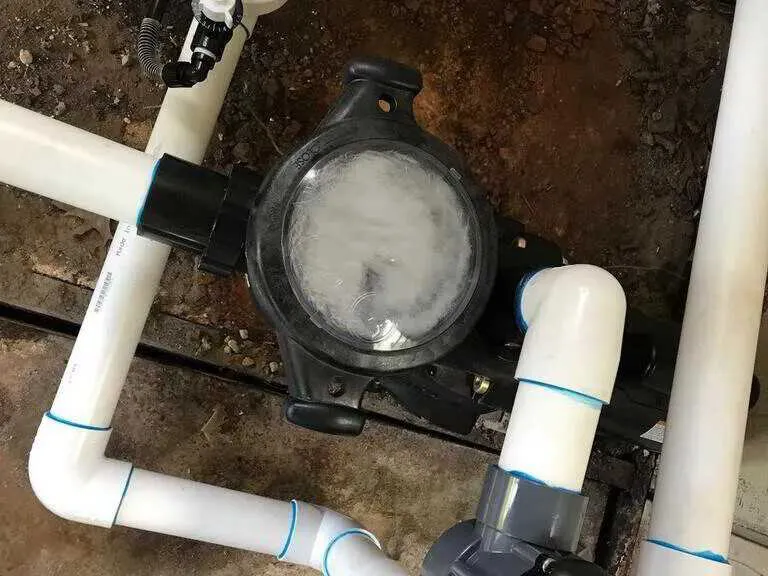
Primetime Pools — Winder, GAEight out of ten pool-repair calls we run come back to the equipment pad — a failed pump, a clogged filter, a tripping breaker, a leaking union, or an automation board that quit talking to the app. Most of it is fixable in a single visit.
A pool that “isn’t circulating right” almost always starts with the pump. Single-speed pumps that came standard on builds from 2008 to 2015 are now at the end of their service life — bearings are gone, motors are drawing too much current, and the noise they make at 2 PM is the giveaway. We diagnose whether it’s a capacitor, a bearing, a motor, or the whole pump — and we’ll tell you whether a rebuild makes sense or whether the right move is to upgrade to a variable-speed that cuts your power bill enough to pay for itself.
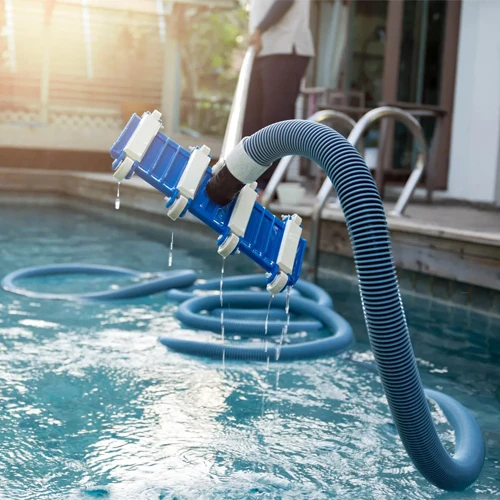
Filters, heaters, salt cells, and automation all fail differently — and they’re all diagnosable with the right test equipment. We run pressure tests for plumbing leaks, amp-draw tests on motors, flow tests on filters, and we pull automation logs from Pentair ScreenLogic or Jandy iAquaLink to see what actually happened. Most automation “failures” are communication errors, not bad boards — and those are a 20-minute fix, not a $2,400 replacement.
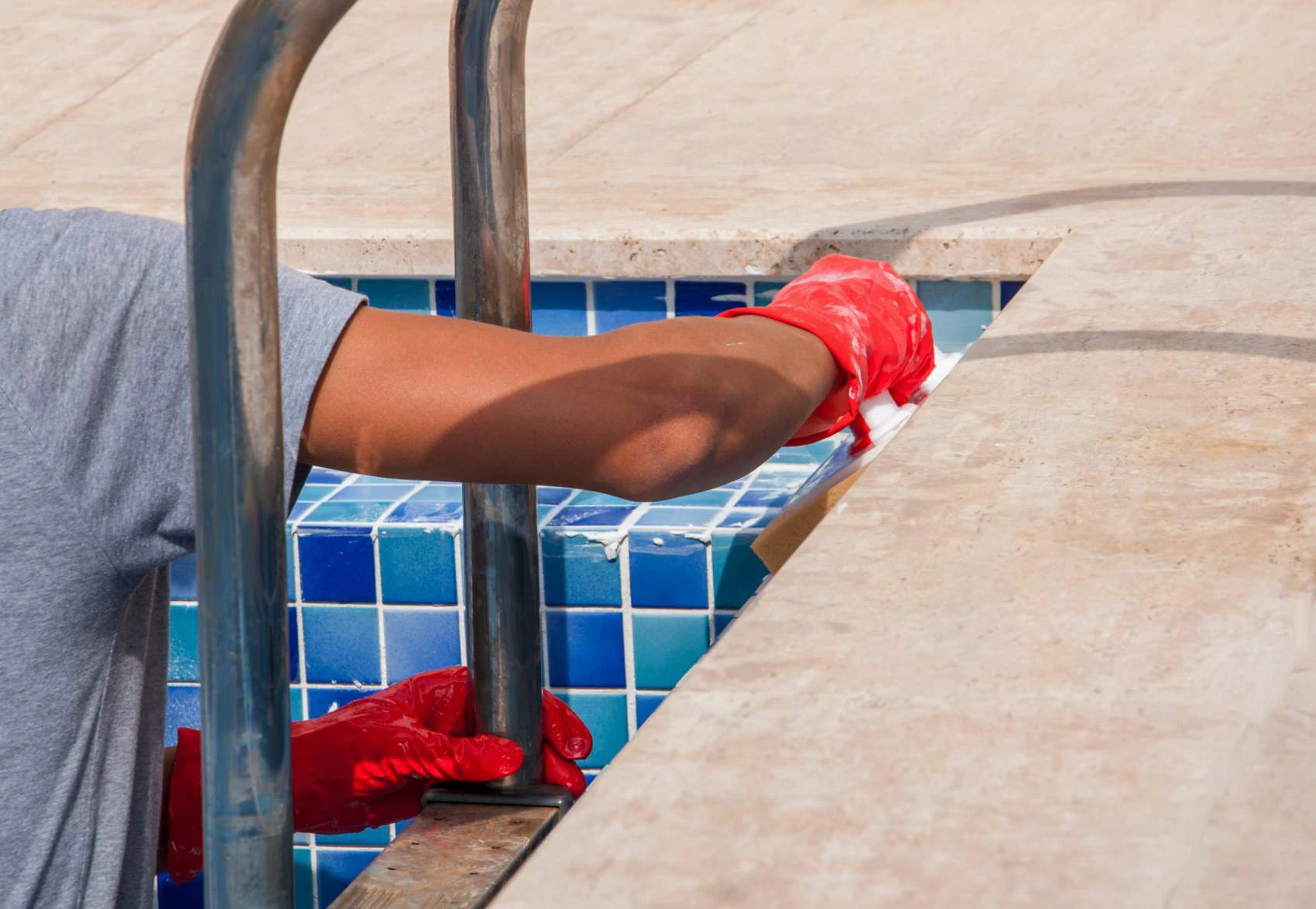
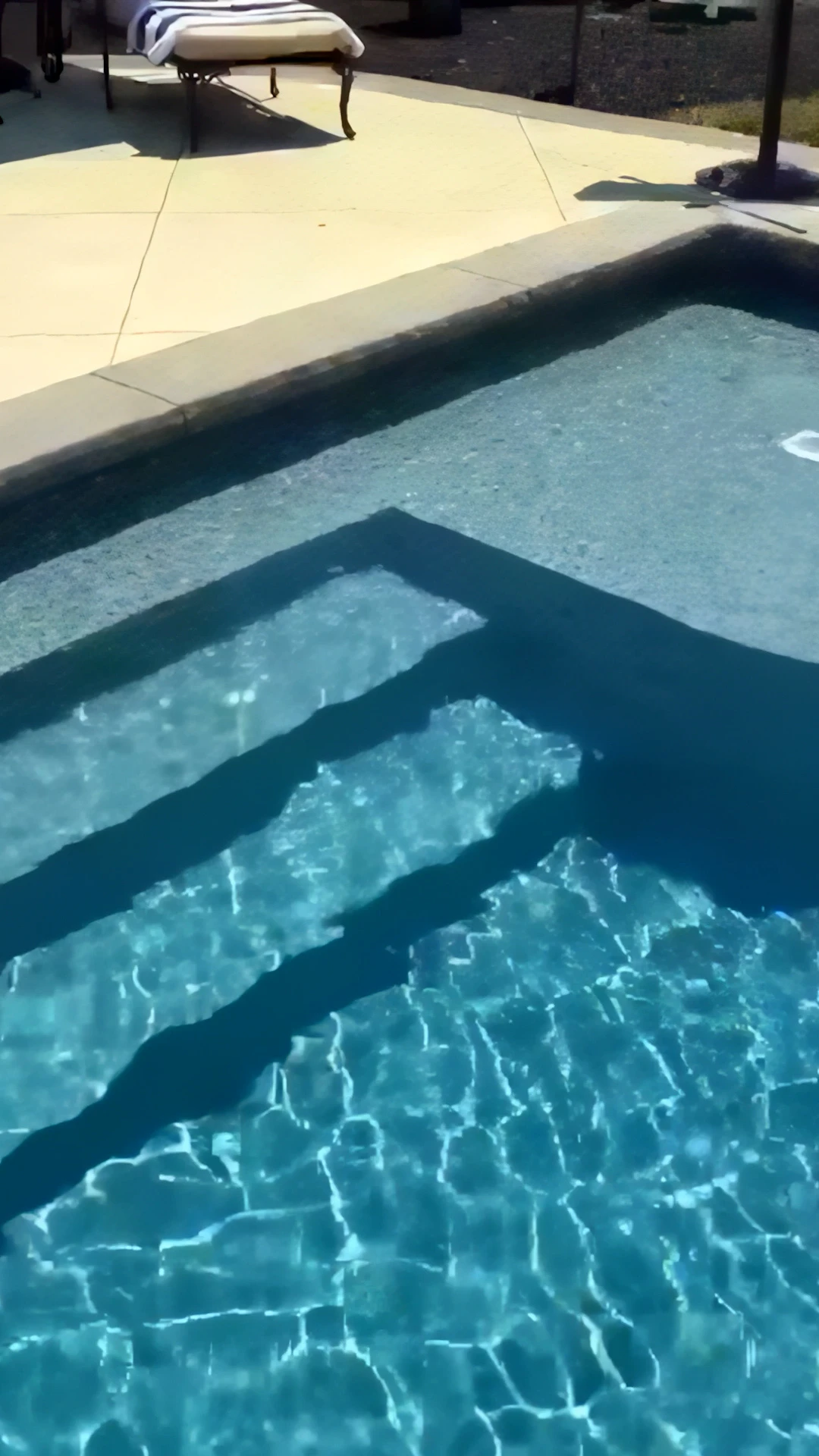
Some surface problems are quick fixes that buy you five more years. Some are the visible symptom of something structural. The difference matters — because patching the second one is throwing money at a pool that needs a bigger conversation.
We handle the full range of surface work — plaster patching, Pebble-aggregate spot repair, waterline tile replacement, coping re-setting, crack injection, and minor deck repair. What we don’t do is pressure you into a full re-plaster when a spot fix is the right call. A pool with one stained area, a dozen popped tiles, and a coping stone that shifted isn’t a remodel candidate — it’s a three-hour Saturday for the right crew.
Where we slow down is on cracks and shell movement. A hairline crack in plaster is almost always cosmetic. A crack that runs through the plaster and down into the gunite, that leaks slowly, or that’s showing up on one end of the pool and not the other — that’s a structural conversation, and we’ll walk you through what we see and what it means before we quote anything. Sometimes the honest answer is “patch it and watch it for a year.” Sometimes it isn’t.
We don’t run bait-and-switch. The $185 flat diagnostic puts a licensed technician on your property, gets you a written diagnosis, and gets you a firm repair quote — no pressure to upsell into a remodel or a rebuild, ever.
The same crew that builds custom pools fixes them. That matters because diagnosing a problem correctly requires understanding how the pool was built in the first place — the plumbing runs, the bonding, the rebar layout, how the equipment was originally sized. Our techs aren’t reading from a service-company flowchart. They’ve built the kind of pool they’re looking at.
We prioritize emergency response within 24 hours for active service clients — a dead pump in July isn’t a two-week problem. We carry common parts on the truck. Most single-visit repairs happen on the first visit.
One honest visit. A written diagnosis. A firm quote. No pressure to rebuild what just needs repairing.
Call Us Now