
A Hamilton Mill homeowner emailed us last spring with a single question: “Our pool is 22 years old, we’re buying chlorine tabs by the bucket every two weeks, and the neighbors just converted — is saltwater worth $3,000 on a pool we might replaster in three years?” It’s the exact question we get every April in Dacula, and the answer is almost never a simple yes.
The saltwater conversion pitch sounds clean on paper. Softer water, fewer chemical runs to the pool store, no chlorine smell on your kids’ hair after a Saturday swim. All of that is real. But the pitch leaves out the parts that matter for a 30019 pool: what that brine does to a limestone coping stone over ten summers, whether your existing gunite shell is already thin enough that a pH swing will etch it at the tile line, and whether Gwinnett County Watershed Management’s water chemistry plays nice with a salt cell when you run a softener loop into your fill line.
We’ve converted pools across Hamilton Mill, Providence Club, Sycamore Ridge, and the 1990s-era infill off Harbins Rd. We’ve also talked at least a dozen Dacula homeowners out of the conversion when the numbers didn’t pencil or the coping material made us nervous. This post is the honest version — not the version designed to sell you a $2,800 equipment package.
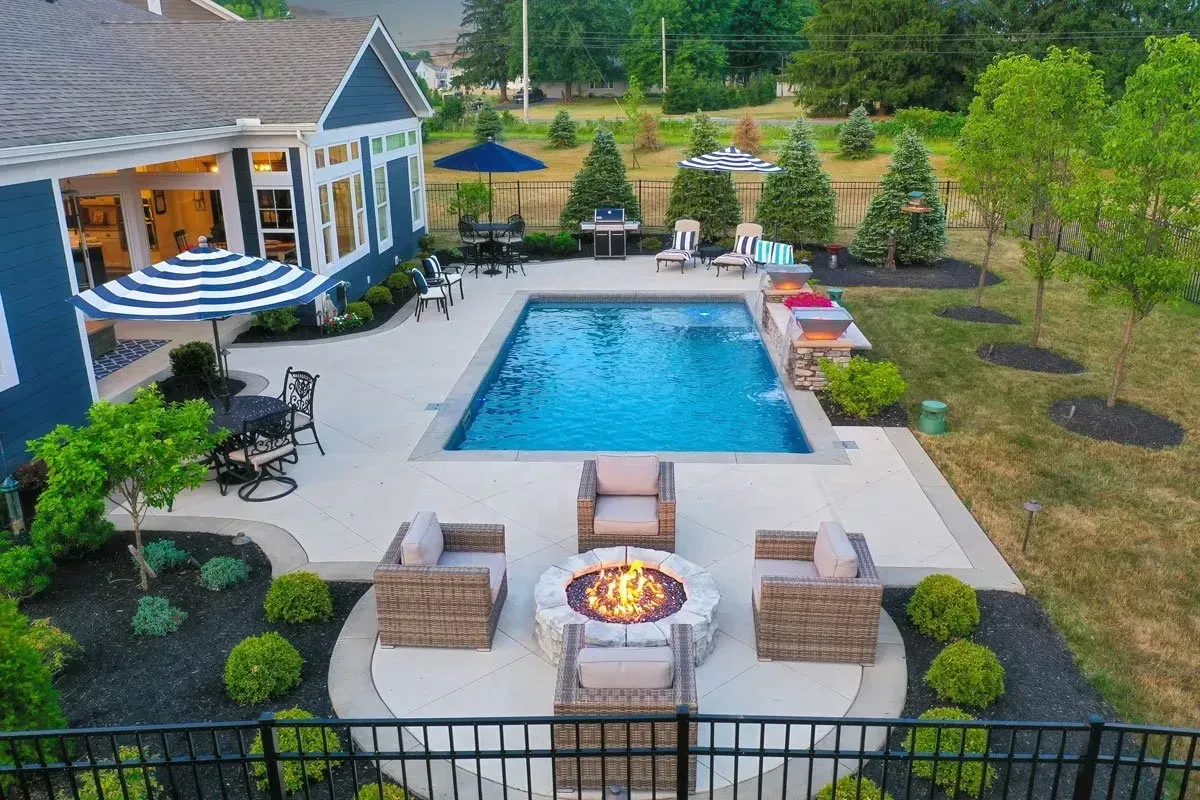
What Saltwater Actually Is (And What It Isn’t)
A “saltwater pool” is not a chlorine-free pool. It’s a pool that makes its own chlorine. A salt cell — a small electrolysis chamber plumbed into your return line after the filter — passes dissolved salt through titanium plates coated in ruthenium oxide and converts it into hypochlorous acid. That’s the same sanitizer a traditional chlorine pool uses. The water just feels different because the salinity sits around 3,000–3,500 ppm (about a tenth of seawater) and because you aren’t dumping concentrated trichlor tabs that spike pH all week.
We’ve had Dacula homeowners think they were converting away from chlorine entirely. They weren’t. What they were converting to was a steadier, lower-peak-concentration chlorine delivery. The distinction matters because it shapes the whole cost-benefit conversation — and because it determines whether that corrosion question about coping and equipment is real. (Spoiler: it is.)
The chemistry in plain language
- Salt (sodium chloride): Dissolved in the pool at 3,000–3,500 ppm, bagged at 40 lbs each, usually 8–12 bags on startup for a 20,000-gal Dacula build.
- The cell: Converts chloride ions to chlorine. It wears out. Replacement cells for a 20k-gal pool run $700–$1,100 every 5–7 years depending on brand and run hours.
- The controller: A wall-mounted box that tells the cell when to run, tied to your pump schedule. Often paired with a variable-speed pump because the cell needs flow to generate.
- What you still add by hand: Muriatic acid for pH, cyanuric acid (stabilizer) once a season, and occasional shock when the cell can’t keep up after a pollen dump or algae bloom.
So the “set it and forget it” marketing is half true. You do spend less time at the pool store. You do not spend zero time managing chemistry.
The Real Cost Math for a 20,000-Gallon Dacula Pool
Here’s where most conversion conversations go sideways. The conversion doesn’t pay back on chemical savings alone the way a vendor will show you on a napkin. It pays back on the combination of lower chemical spend, smoother water, and in many cases a long-overdue pump upgrade that was going to happen anyway.
For a 20,000-gallon pool (typical Hamilton Mill build, 16×32 with a tanning ledge), the rough annual chemistry spend breaks out like this in our Dacula clients’ actual receipts:
Read that last row carefully. A conversion that costs $3,000 and saves $400–$500 a year pays for itself in roughly six to seven years on pure math. That’s fine if you’re staying in the house for fifteen more. It’s not fine if you’re selling in three.
Gwinnett water chemistry note: Gwinnett County Watershed Management supplies most of Dacula off the Lanier intake. It runs on the harder side — we typically see 120–180 ppm calcium hardness out of the tap before any adjustment. If your home has a whole-house softener loop plumbed into the fill hose, you’re pulling calcium out, which protects the salt cell but makes the gunite plaster more aggressive. We almost always recommend filling a saltwater pool straight from the unsoftened outdoor spigot.
When Conversion Makes Sense in Dacula
We give a clean green light on conversion when three or more of these conditions line up for a Dacula homeowner. Not every box has to check — but the more that do, the more confident we are that the money is well spent.
You’re staying in the house at least 7 more years
This is the single biggest factor. The chemical savings and water-feel improvements only compound if you’re the one living with the pool long enough to see the payback. Hamilton Mill and Providence Club buyers don’t pay a meaningful premium for “saltwater system” on a listing — maybe $1,500–$3,000 lift if the equipment is recent, nothing if the cell is already five years old. The ROI happens while you own it, not at the closing table.
Your pump is near end-of-life
Most salt cells need sustained flow, which means a variable-speed pump if you don’t already have one. If your single-speed pump from 2008 is making grinding noises and the motor is drawing more amps than it should, the conversion is a natural time to bundle the upgrade. You were going to spend $800–$1,400 on a pump anyway. Folding it into the saltwater install saves you a separate service call and gets you a Georgia Power rebate on the VSP in many cases.
Your coping is travertine, granite, bluestone, or concrete
These materials shrug off salt exposure. Travertine in particular — the pool-deck favorite across Dacula’s higher-end remodels — has the capillary structure and calcium content that plays well with pool chemistry. Natural granite and dense bluestone are similarly forgiving. Concrete coping, properly sealed every 2–3 years, performs fine too.
Someone in the household has sensitive skin or chlorine reactivity
This gets dismissed as a soft reason, and it shouldn’t. We’ve had Dacula parents of kids with eczema describe the switch as transformative. Lower peak chlorine concentration, no tab-induced pH spikes, and gentler combined chlorine levels add up to water that doesn’t trigger flare-ups. That’s a quality-of-life payoff that doesn’t show up on a ROI spreadsheet.
You’re doing a full renovation anyway
If the pool is already drained for resurfacing, coping replacement, or tile work, adding a salt cell costs less because the plumbing is accessible and the labor is bundled. Conversion during a replaster is the cheapest conversion window we ever see — often $1,800–$2,400 installed instead of the $2,800–$3,400 standalone.
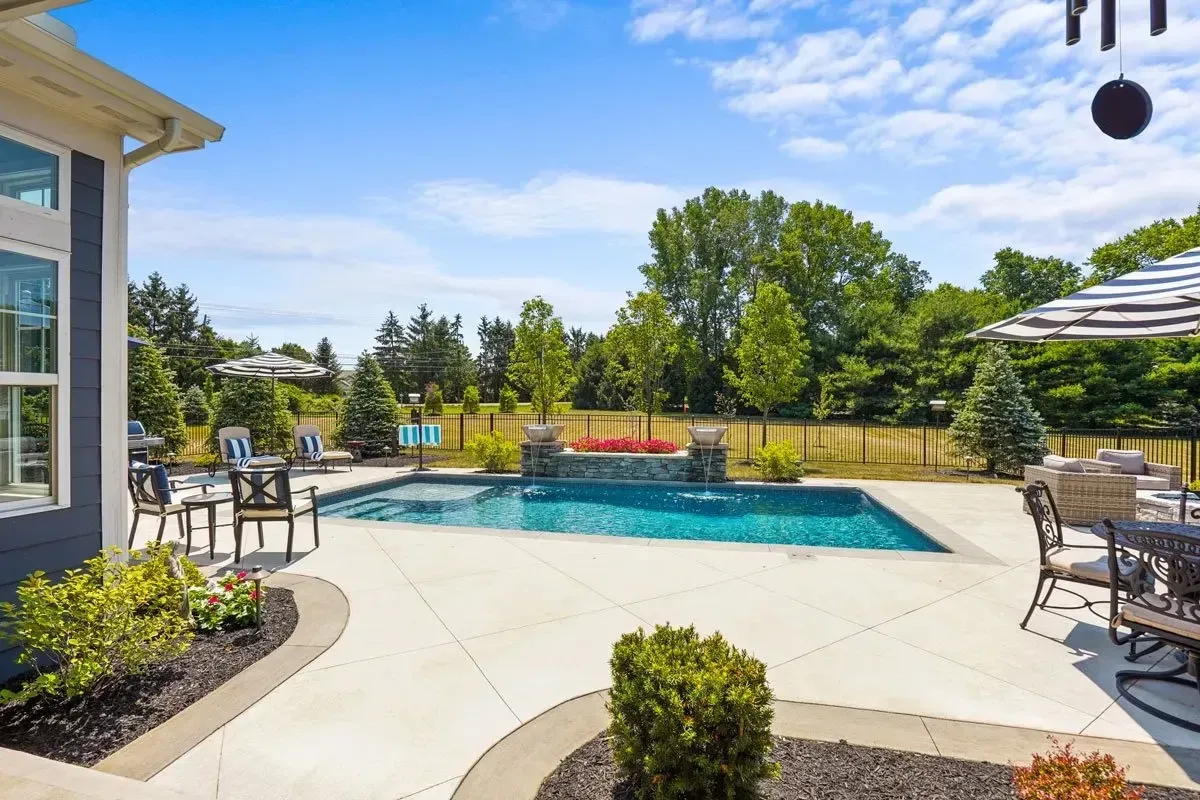
When Conversion Doesn’t Make Sense (The Part Most Vendors Skip)
These are the situations where we’ve told Dacula homeowners to keep their chlorine system and put the $3,000 somewhere else. If any of the following apply, don’t convert — or at least don’t convert this year.
Your coping is limestone, soft sandstone, or unsealed soapstone
Limestone coping — popular in the late-1990s and early-2000s Dacula builds because it matched the stone veneer on the houses — is the single biggest reason we’ve turned down conversion jobs. Salt wicks up through the stone, crystallizes as the surface dries between rains, and over 8–10 years produces the powdery, pitted surface you see on older coastal pools. We’ve seen original 2002 limestone coping in Sycamore Ridge that still looks clean under chlorine and would be visibly degraded in half that time under salt.
If your coping is limestone and you still want saltwater, the honest answer is: replace the coping first (travertine is our default recommendation at around $40–$65 per linear foot installed), then convert. Or stay chlorine.
You’re selling within 2–3 years
The math doesn’t work. You’ll eat the $3,000 upfront and recover maybe half of it at sale, if that. The next owner gets the chemical savings you paid to create. If you’re listing soon, put the money into a cosmetic refresh that actually moves the needle: new tile, fresh coping sealing, crisp landscaping around the deck, maybe an LED light upgrade. Those are visible at a showing. “Saltwater system” on a spec sheet isn’t.
Your pool has a copper heat exchanger in the heater and you’re not replacing the heater
Salt is tougher on raw copper than chlorine is. If your heater is an older model with an unplated copper exchanger, the conversion accelerates the corrosion clock. You can add a zinc sacrificial anode at the pad (we consider this mandatory on every saltwater install, not optional), which helps, but it doesn’t fully solve it. If the heater is pushing year eight or nine, the conversation becomes: replace the heater first (cupronickel exchanger models are salt-rated and run $2,800–$4,500 installed for a 400k BTU unit), then convert. Otherwise you’re trading chemical savings for a shorter heater life.
Your budget is tight and your existing pool has real problems
If your plaster is chalking, your tile line is cracked, you have a persistent leak you haven’t diagnosed, or your deck is heaving at the coping — fix the pool first. Conversion is a polish, not a repair. We’ve walked into Dacula backyards where the homeowner was quoted a saltwater package by another company while the pool had an obvious hydrostatic pressure issue cracking the bond beam. The conversion would’ve sat atop a failing structure. First things first.
You live in a subdivision with HOA restrictions on equipment visibility
Rare in Dacula, but Hamilton Mill’s HOA does occasionally flag equipment enclosures that expand beyond the original footprint. If your conversion requires relocating or expanding the pad because the existing setup is tight, you may need HOA signoff. Factor that timeline in — it’s usually not a dealbreaker but it can add 2–4 weeks to the project.
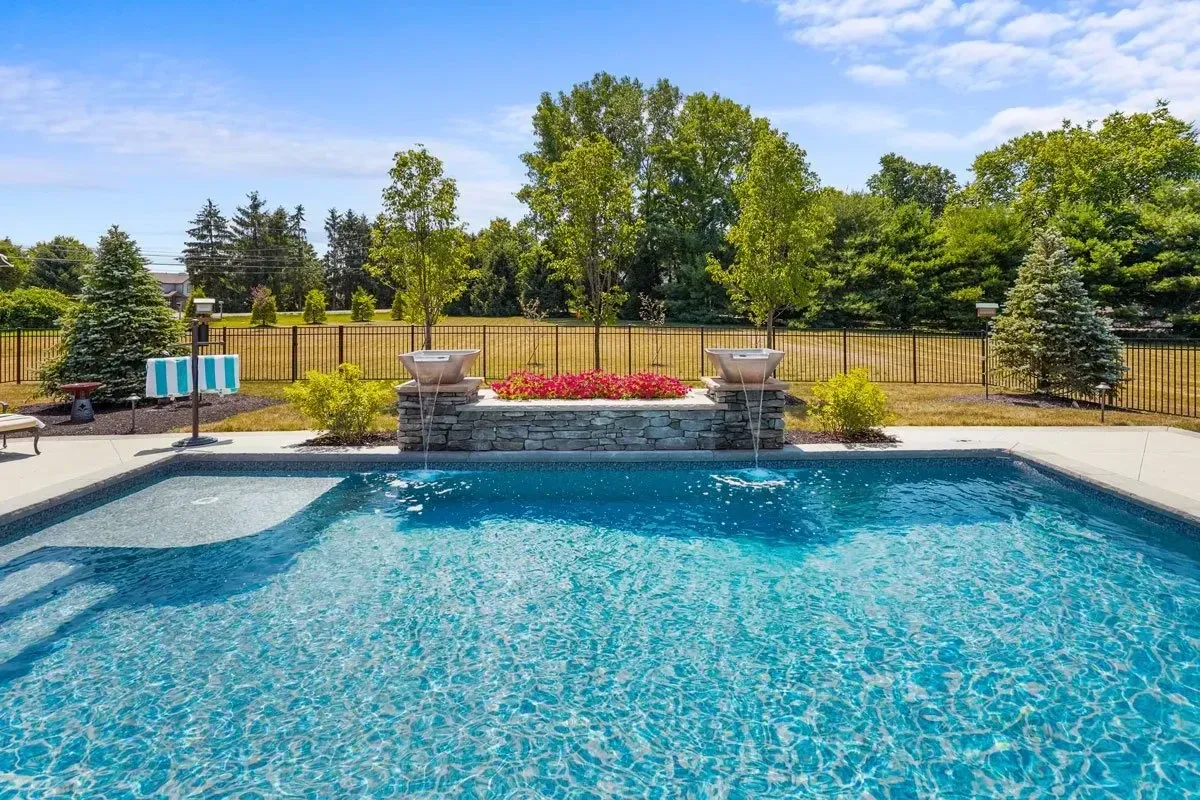
The Dacula-Specific Factors Most Blogs Miss
National saltwater-conversion articles are written for a generic homeowner in a generic climate. Dacula has specifics that change the math.
The 1990s–2000s gunite stock is thinner than newer builds
A big slice of Dacula’s pool inventory was built during the Hamilton Mill golf-community boom and the subdivision rollouts along Hog Mountain Rd. Gunite thicknesses on those pools ran 6–8 inches at the floor and walls — standard for the era but on the lean side by modern structural standards. After 20+ years of chlorine exposure, you get the classic etching pattern at the tile line: a half-inch band where the plaster is thinner than the surrounding surface. A pH swing under saltwater, if you let stabilizer drift, can accelerate that etching by eating into already-weakened plaster. The fix isn’t “don’t convert.” The fix is: replaster first if you’re already seeing that etch band, then convert onto fresh plaster that can take the next 20 years of chemistry.
Gwinnett softening systems can distort the cell’s reading
If your Dacula home has a water softener serving the whole house — increasingly common in the 1990s builds as the original copper plumbing ages — and the softener loop feeds your pool fill hose, you’re pulling calcium hardness down before water ever enters the pool. Salt cells read conductivity, not chloride specifically, so softened water can register slightly differently. We recommend bypassing the softener for pool fills. Just run a short garden hose off the unsoftened outdoor spigot on the pool-house side of the meter. The calcium in raw Gwinnett water is mild enough (120–180 ppm out of the tap) that it won’t scale a properly-balanced pool.
The Hamilton Mill and Providence Club pool inventory is converging on a conversion decision together
Many of the Dacula pools we’re servicing were built between 1998 and 2006. That cohort is now hitting 20–25 years old — the point where replaster, equipment refresh, and coping evaluation all converge. For homeowners in those subdivisions, the saltwater question is rarely a standalone conversion. It’s part of a broader “do I renovate this pool or just keep it running five more years” conversation. Our advice is to treat it that way: bundle the decisions.
Freeze-thaw and the zinc anode rule
We get about 20 freeze events per year in Zone 8a. Salt cells with water sitting in them can crack if the freeze is hard enough and the pad isn’t drained. Every saltwater install we do in Dacula includes a freeze-protection setting on the controller that bumps the pump on below 38°F, plus an easy-drain valve on the cell itself. And every conversion ships with a zinc sacrificial anode at the equipment pad — a $40–$80 part that corrodes before your heater exchanger, light niche, or handrails do. If a conversion quote doesn’t mention freeze protection or a zinc anode, the scope is incomplete.
A simple decision checklist
Here’s how we’d think about it if it were our pool. If you hit a “no” on any of the first three, pause.
- Am I staying in this house at least 7 more years? If no, skip the conversion — put the money into a cosmetic refresh or heater upgrade that pays back faster.
- Is my coping travertine, granite, bluestone, or sealed concrete? If it’s limestone or soft sandstone, replace the coping first or stay chlorine.
- Is my pool structurally sound? No active leaks, no bond-beam cracks, plaster in acceptable shape. Fix structure first — conversion doesn’t solve underlying problems.
- Is my pump, heater, or filter near end-of-life? If yes, bundle the conversion into that equipment replacement for 20–30% labor savings.
- Am I already planning a replaster in 12–24 months? If yes, time the conversion to coincide. Cheapest window, cleanest install, fresh plaster surface.
About 60% of Dacula homeowners who call us about conversion end up going through with it. The other 40% we talk into waiting, replacing coping first, or simply keeping chlorine with a better dosing schedule. Both outcomes are wins — they just aren’t both sales.
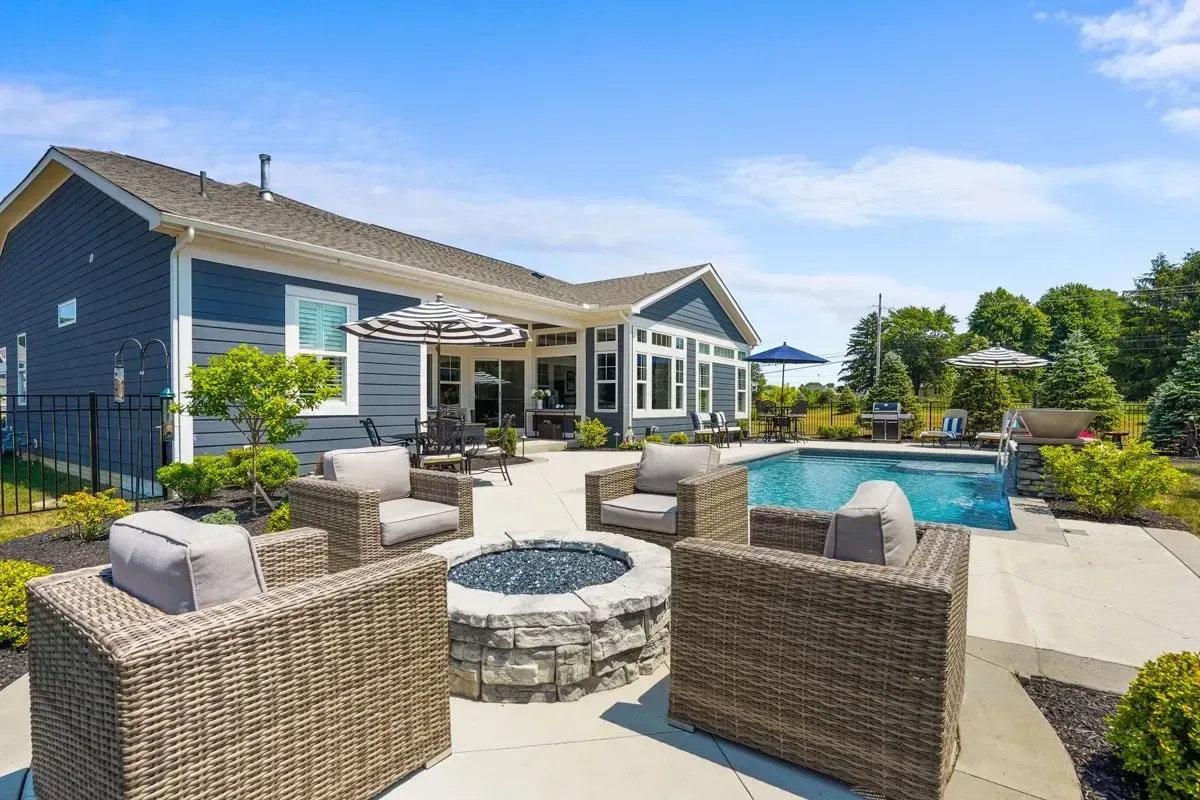
Saltwater is the right answer for a lot of Dacula homeowners. It’s not the right answer for all of them. The difference between a conversion that pays off and one that just moves money from your bank account to an equipment pad is usually a five-minute honest conversation about coping material, pool age, and how long you’re staying. We’d rather have that conversation before the cell goes in than after.
Saltwater conversions and pool remodeling across 20+ cities within 30 miles of Winder, GA
We’ve converted, replastered, and rebuilt pools across Dacula’s Hamilton Mill, Providence Club, and Sycamore Ridge neighborhoods — and we’re happy to tell you when conversion isn’t the right answer.