
Here’s the contrarian truth almost no Alpharetta pergola salesman will say out loud: cedar costs less to install and more to own. Aluminum costs more to install and nothing to own. And if you live inside Windward, Country Club of the South, Hutchinson Farm, or Deerfield, the HOA has already approved both — so the decision isn’t architectural. It’s a 12-year break-even calculation most homeowners never actually run.
We build pergolas across north Fulton every season — some over pools, some over outdoor kitchens, some standalone off a back patio slab. The single most common conversation we have in an Alpharetta driveway goes like this: the homeowner loves the look of cedar, they have a quote for $16,000, and their neighbor just spent $44,000 on a powder-coated aluminum louvered roof from StruXure. They want to know if the neighbor is crazy, or if they are about to make a mistake.
Neither. Both products are architecturally correct for the neighborhood. Both will sail through the ARB. The difference is entirely about what happens in year four, year eight, and year twelve — and what you want your relationship with a pergola to look like over that horizon. This post is the math, the material realities, the Alpharetta-specific permit notes, and a straight recommendation based on how the last three years of local builds have actually aged.
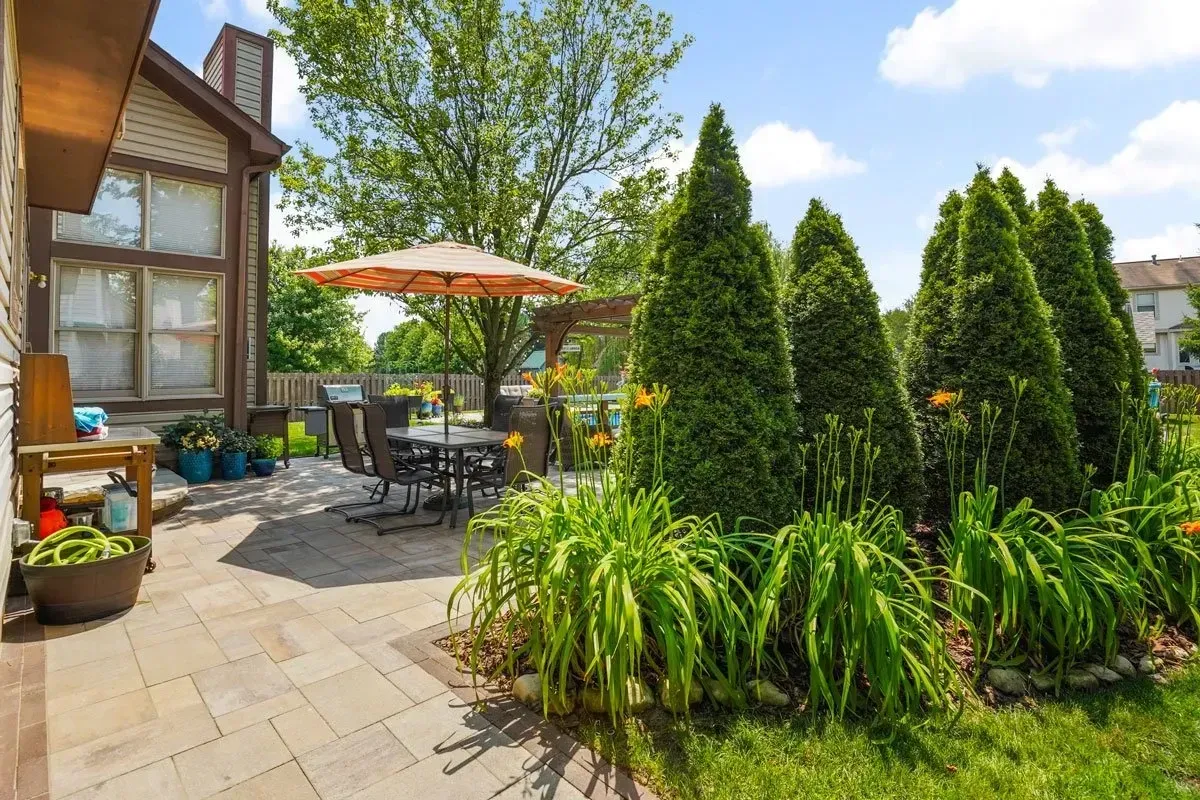
The Real Reason Alpharetta Buyers Pick Wrong (It’s Not the Price Tag)
Pergola decisions in 30004, 30005, 30009, and 30022 almost always get made on the first quote, which is almost always cedar. Cedar is cheaper to install. The builder walks the backyard, measures a 14×20 footprint, and writes a number somewhere between $14,000 and $22,000 depending on post dimension, rafter spacing, and whether you’re adding a retractable shade canopy. That number feels right. The homeowner signs.
What never gets discussed on that first visit is the re-coat schedule. Western red cedar in our climate — USDA Zone 8a, roughly 51 inches of rainfall a year, 20 freeze events, summer highs in the low 90s — needs a penetrating oil finish reapplied on a three-to-four-year cycle if you want it to stay amber instead of weathering to silver-gray. Sikkens Cetol SRD and Australian Timber Oil are the two finishes that actually perform on Piedmont pergolas. Everything else chalks, peels, or traps moisture under a film.
A proper re-coat on a 14×20 cedar pergola — prep, wash, light sand where needed, two coats of oil — runs $800 to $1,800 depending on rafter count, post height, and access. Multiply that across a 20-year ownership window and you’ve spent another $5,000 to $11,000 on labor and material after the initial build. Aluminum pergolas, by contrast, hold their powder-coat for 15 to 20 years with nothing but a garden hose rinse twice a year. That’s the gap nobody runs the math on until they’ve already signed a cedar contract.
The 14×20 reference build: Cedar installed $14,000–$22,000. Aluminum louvered (StruXure / Renson / Sienna Outdoor) installed $32,000–$52,000. Re-coat cedar every 3–4 years at $800–$1,800. Break-even for aluminum lands around year 10–12 when you include finish cost, downtime, and the fact that aluminum louvers also solve rain control, which cedar doesn’t.
What the Windward and CCOS ARBs Actually Care About
The Windward ARB and the Country Club of the South ARB run similar timelines — three to four weeks from complete package submission to approval — and they care about the same three things: roof profile, color, and visibility from the street or golf course. Both approve cedar and aluminum. Neither has an outright ban on either material. What they will push back on is:
- Glossy or bright finishes. Aluminum has to be a matte powder-coat in a bronze, black, graphite, or dark sand. The high-gloss white StruXure catalog option will not clear CCOS.
- Rafter tail style. Cedar pergolas need traditional tapered or scalloped tails — no flat cuts — to match the vernacular of the neighborhood.
- Post dimension. A 6×6 cedar post reads too light next to a two-story colonial. 8×8 rough-sawn is the default spec for Windward lakefront lots and anything backing onto the CCOS fairways.
- Height off grade. Free-standing pergolas over a certain height trigger a height variance review. Keep the top of the rafter below 12 feet and you stay out of that conversation.
The Hutchinson Farm and Deerfield ARBs are slightly more permissive on contemporary detailing and have approved louvered aluminum systems in dark bronze without asking for a profile match to the house. Haynes Manor, White Columns, and Cambridge Parks run more traditional review boards and will want to see cedar samples stained to match trim on the primary residence. None of these reviews take longer than four weeks if your package is complete on submission. Incomplete packages — missing a site plan, missing a color spec, missing a footing detail — bounce and reset the clock.
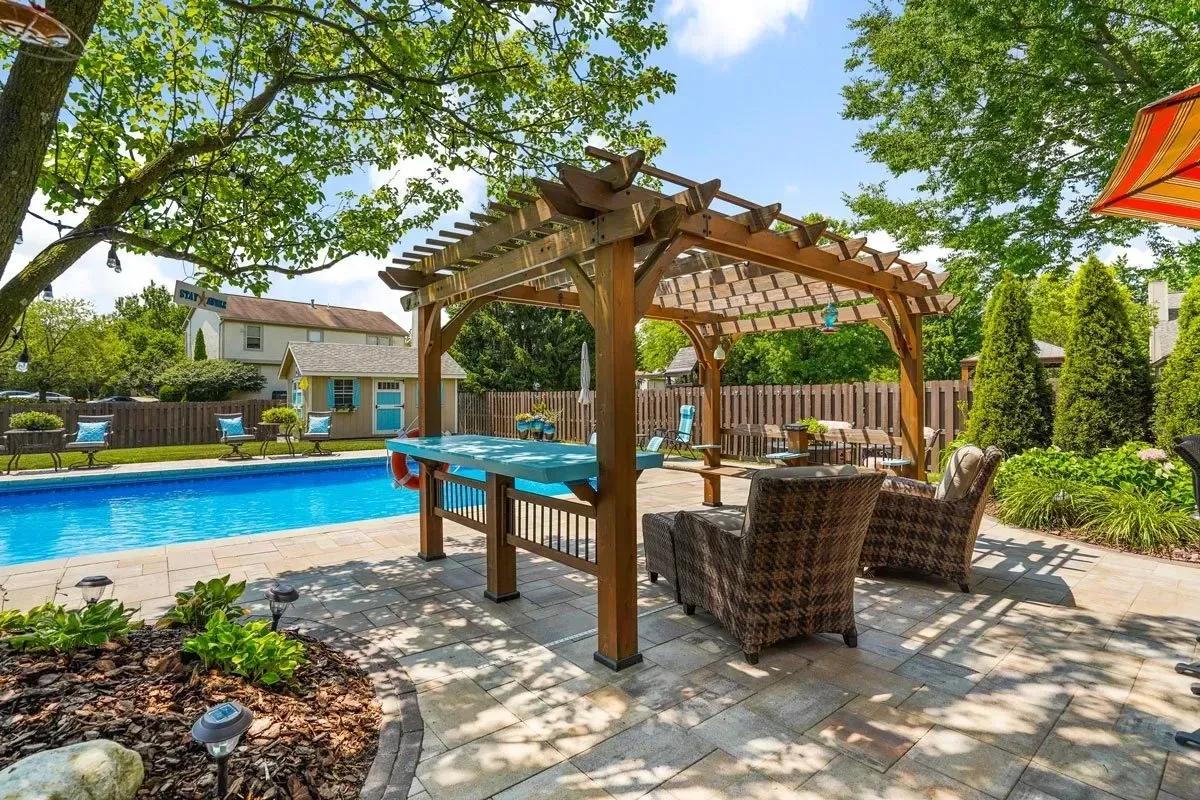
The 10-Year Cost-of-Ownership Comparison, Side by Side
Run the comparison on a 14×20 pergola — the most common footprint we install in Alpharetta — over a ten-year window. Assume the cedar buyer actually maintains their pergola (many don’t, which is a separate conversation). Assume the aluminum buyer does nothing but rinse the frame twice a year.
Cedar, year 0–10:
- Initial build: $18,000 (mid-range of the installed band)
- Re-coat at year 3: $1,200
- Re-coat at year 6: $1,400 (prep labor creeps up)
- Re-coat at year 9: $1,600
- Ten-year total: $22,200
Aluminum louvered, year 0–10:
- Initial build: $42,000 (mid-range of the StruXure/Renson/Sienna band)
- Maintenance: $0
- Ten-year total: $42,000
At year ten, cedar is still $19,800 cheaper on paper. But look at year twelve. Cedar adds another $1,800 re-coat and has to replace two to four soft-spot rafter tails for roughly $600 more. Aluminum adds nothing. At year 12 cedar is at $24,600 cumulative; aluminum is still at $42,000. The gap has closed to $17,400 and the curves are pointing toward each other fast. At year 18 — the outer edge of a single powder-coat service life — the two lines cross. After that, aluminum is the cheaper ownership.
But the number that actually decides the purchase isn’t year 18. It’s how the cedar looks at year 7 if the owner skipped the year-6 re-coat. Skipped re-coats turn into checking, raised grain, and black mildew spots in our humidity. Piedmont summers are brutal on unprotected lignin. By year eight, a skipped cedar pergola needs a full strip, sand, and re-oil — which is $3,000 to $4,500, not $1,400. That’s the silent line-item that flips the math, and it’s the one the original builder never mentions.
Why Tech-Corridor Relocations Are Driving Aluminum Hard
A fair slice of our Alpharetta pergola work comes from out-of-state tech relocations — Microsoft, CDW, and the broader GA-400 corporate footprint have pulled thousands of new households into Windward, Avalon-adjacent townhomes, and the Cambridge Parks and Ashebrooke subdivisions over the last three years. These buyers share a profile: dual-income, 40-to-55, not moving again for a while, and allergic to weekend maintenance.
They don’t want to own a deck stain sprayer. They don’t want to schedule a contractor every three years. They want to push a button on their phone, watch the louvers close, and go inside. Aluminum systems with integrated LED strips, motorized louvers, and side-screen drops solve that profile cleanly. Cedar does not. It’s a hands-on product that asks for hands-on care.
We’ve seen a visible swing in the mix over the last 24 months. In 2022, our Alpharetta pergola installs ran roughly 70% cedar and 30% aluminum by unit count. In the last 12 months it’s flipped — about 62% aluminum, 38% cedar, with the aluminum share climbing steeply in new-construction and renovation-adjacent projects near Avalon and along the Rucker Road corridor. That’s not our sales pitch pushing it. That’s the buyer profile asking for aluminum by name, often citing a neighbor’s install as the reference.
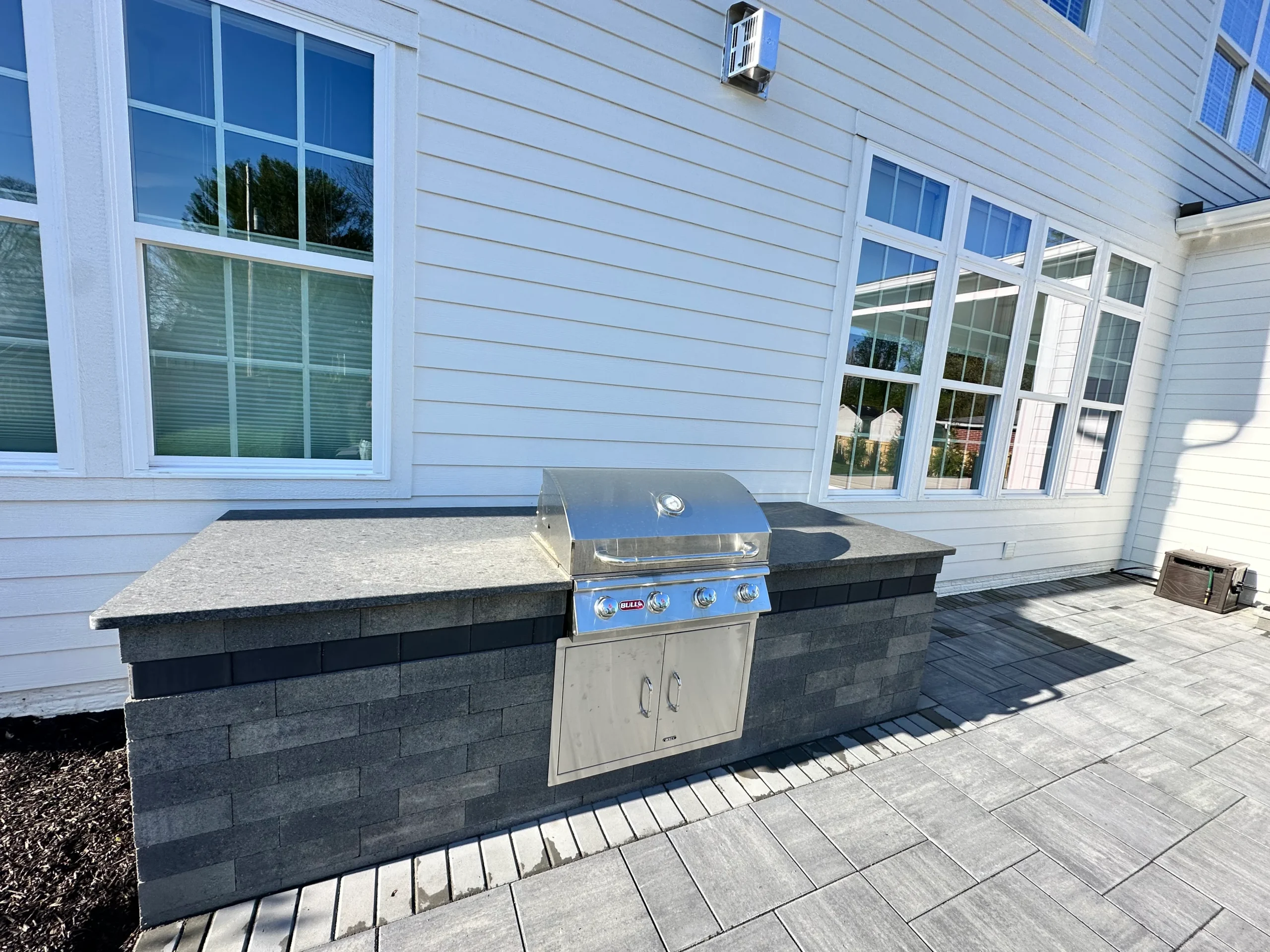
The Alpharetta Permit Reality Most Builders Don’t Explain
If your home is inside the city limits of Alpharetta, your permit goes through the City of Alpharetta Community Development office at 2 Park Plaza. Turnaround on a free-standing pergola permit typically runs 7 to 14 business days once the package is in, and the reviewers know the pergola form well — they see dozens a month. A 14×20 pergola over a patio, with or without an attached gas line to a grill or fire feature, is a standard submission.
If your home is in unincorporated north Fulton, you’re dealing with Fulton County, which runs longer — closer to three weeks on average, occasionally four during the spring peak. The city review is meaningfully faster and that alone pushes some project starts by three to six weeks on the calendar.
Electrical coordination is the other split. Most of Alpharetta runs on Georgia Power. The northern edge of Milton and the far-north Alpharetta border has a small Sawnee EMC footprint with a different inspection calendar — Sawnee inspections are scheduled in-house and can add 5 to 10 days versus Georgia Power’s faster third-party-inspection cycle. If you’re adding pergola lighting, fan circuits, or motorized louver control, ask the builder to confirm your utility before they pull the electrical permit. It affects the schedule more than anybody expects.
Footing spec for local soil: Alpharetta sits on Cecil-series Piedmont clay with moderately high shrink-swell. Minimum pergola footing we pour is 24 inches round by 36 inches deep, below frost line, with a bell base if the post is carrying a louvered aluminum roof or attached shade canopy. Skip the bell and you’ll see post heave after the third or fourth freeze cycle.
Straight Answer: Which One Should You Buy
There is no universal right answer, but there are three clear patterns that hold up across hundreds of Alpharetta backyards.
Buy cedar if: you’re planning to sell inside 8 years, you genuinely enjoy outdoor maintenance as a hobby, the pergola is small (under 12×14), it’s tucked behind the house where silver-gray weathering is acceptable, or your budget simply caps at $25,000 all-in. Cedar still looks better up close than aluminum — the grain, the warmth, the smell after a summer rain. If you love those things, own them, and keep the re-coat cycle honest.
Buy aluminum if: the pergola is over a pool or outdoor kitchen where rain control matters, you plan to stay in the home 10+ years, you want motorized louvers or integrated lighting, maintenance schedules are a burden to you, or you’re in a subdivision where the neighbor’s aluminum install has already set the visual benchmark. Louvered aluminum also solves the Georgia summer thunderstorm problem — you’re not dragging the dinner plates inside because the forecast called for a 30% chance at 6 p.m.
Buy hybrid if: you want the warmth of wood and the performance of aluminum. We’ve built several pergolas in Country Club of the South and Martins Landing with structural aluminum posts and beams wrapped in a thin cedar veneer, plus an aluminum louvered top. Installed cost runs $48,000 to $68,000 on a 14×20 — more than pure aluminum, less than a full custom timber-frame — and the ARB response has been positive across every submission we’ve run. It’s not for every budget. It is the answer when the owner wants both things and refuses to compromise.
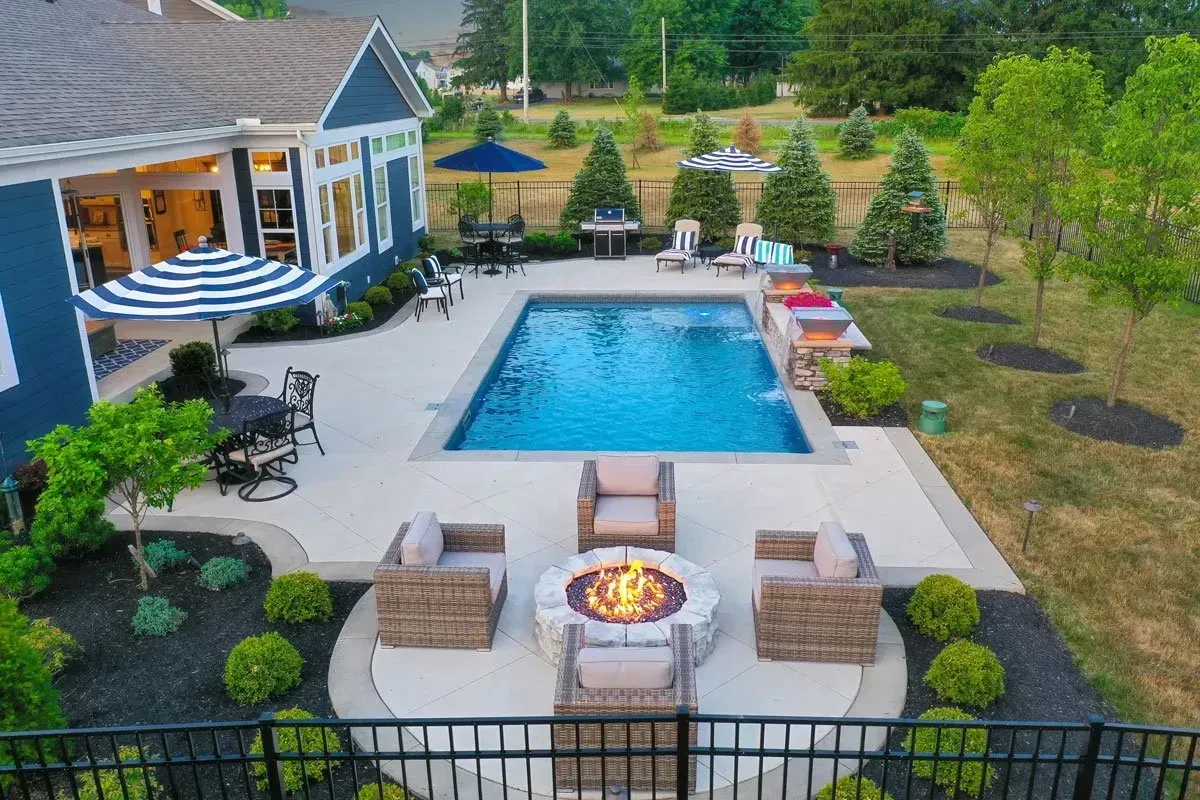
What to Ask Every Builder Before You Sign
Whichever material you choose, the questions that separate a fair quote from a bad one are specific. Most Alpharetta homeowners ask about price and timeline. Those aren’t the questions that protect you. These are:
- Post footing depth and diameter. Anything less than 36 inches deep on a 14×20 cedar build, or 42 inches on a louvered aluminum build, is under-spec for our clay. Ask in writing.
- Hardware spec. Hot-dipped galvanized or stainless steel structural connectors — never black oxide, never zinc-plated. Simpson Strong-Tie ZMAX is the minimum cedar spec. Anything less will bleed rust stains down the post within two years.
- Finish product, not just “stain.” Ask the cedar builder to name the product. If they can’t tell you whether it’s Sikkens Cetol SRD, Australian Timber Oil, or a film-forming solid stain, they’re subcontracting the finish to whoever answers the phone that week.
- Aluminum louver warranty terms. StruXure, Renson, and Sienna Outdoor all publish warranty language. A legitimate installer will hand you the manufacturer warranty PDF without being asked. Powder-coat should carry at least a 10-year warranty on fade and adhesion.
- HOA package handling. Will the builder submit the ARB package, or are you doing it? If you’re doing it, ask for the exact drawing set and product spec sheets you’ll need. Incomplete submissions are the #1 reason Windward pergola builds slip from a summer install to a fall install.
- Electrical scope and utility coordination. If lighting, fans, or motorized louvers are in the scope, the electrical permit is a separate track. Confirm who owns that coordination — Georgia Power versus Sawnee EMC makes a real schedule difference.
The right builder answers all six without hesitation and without looking anything up. The wrong one improvises. You can tell inside the first fifteen minutes of a driveway conversation.
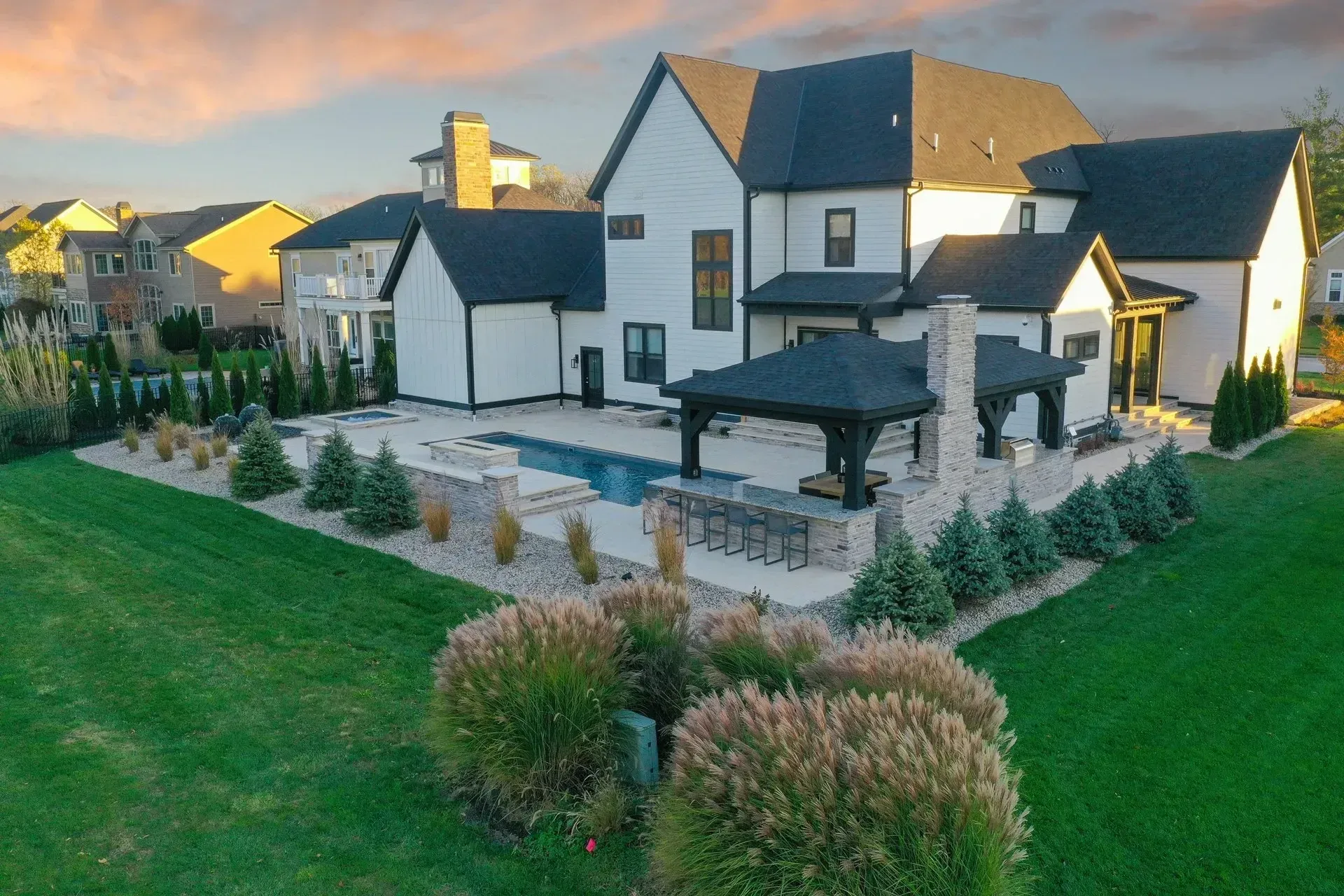
We build pergolas, pools, and full outdoor-living packages across Windward, Country Club of the South, Hutchinson Farm, Deerfield, Ashebrooke, White Columns, Haynes Manor, Brookhollow, Martins Landing, and Cambridge Parks. Cedar when cedar is right. Aluminum when aluminum is right. Hybrid when the budget and the design call for it. We’ll tell you which one we’d build at your house, and we’ll tell you why — without the sales-floor hedge.
Cedar, aluminum, and hybrid pergola builds across 20+ cities within 30 miles of Snellville, GA
From the Windward lakefront to the Avalon-adjacent townhome infill, we design pergolas around the HOA review, the Piedmont soil, and the 20-year cost-of-ownership math — not just the first quote.